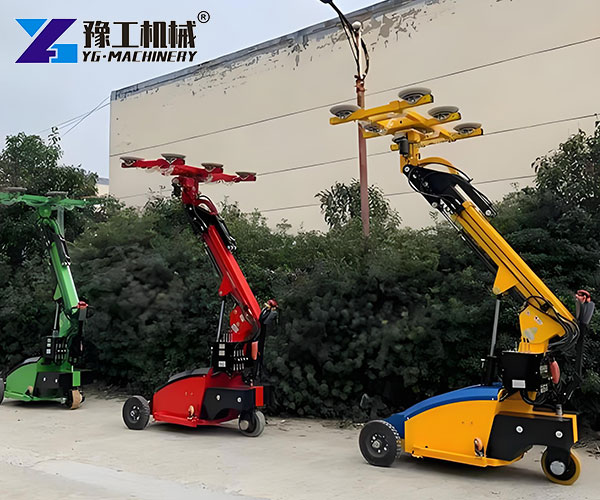
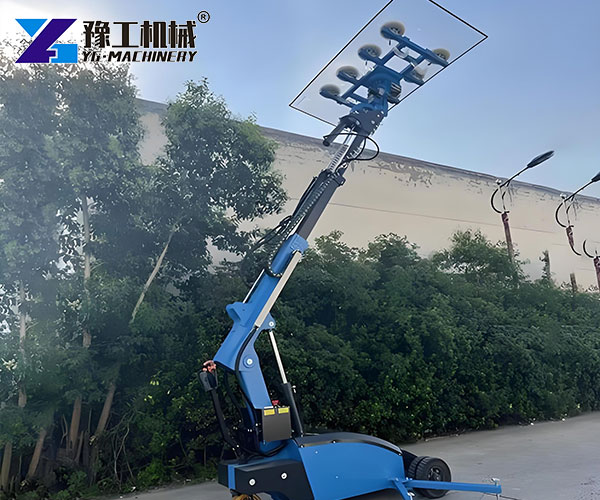
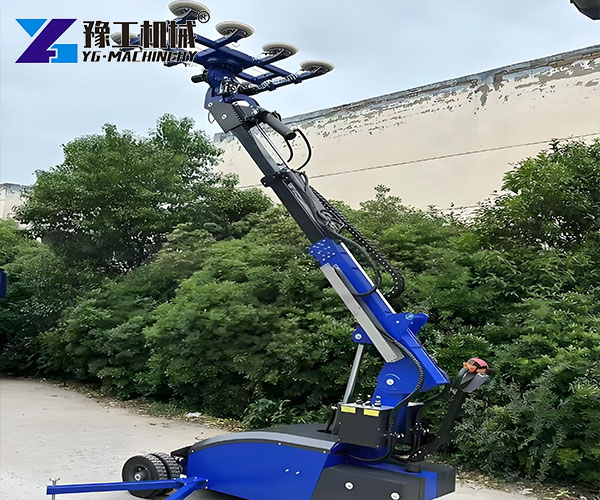
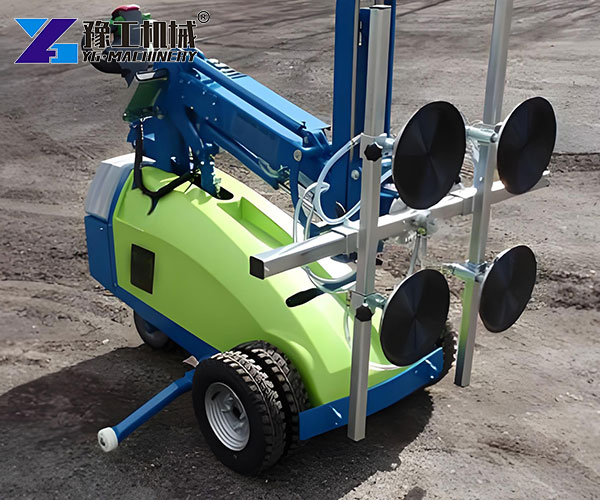
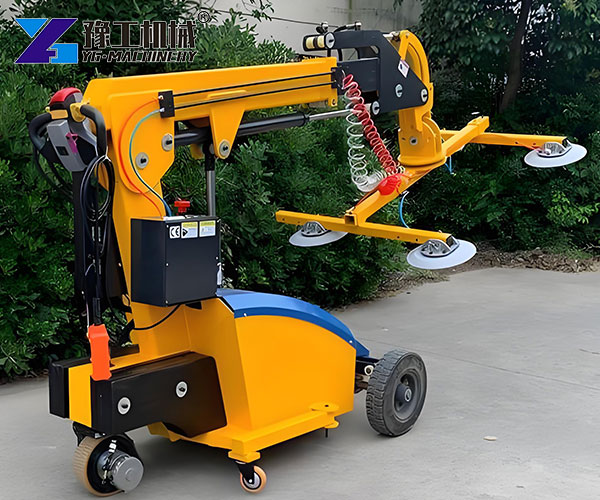
YG recently delivered a robotic glass lifter to a client in Italy. This project helped the customer handle large glass panels more safely and with less labour. The machine improved installation speed and reduced manual handling risks on site.
Project Background
Our client, named Alarico Ventresca, works in Italy and focuses on glass installation for residential and commercial buildings. His team often installs large glass panels for windows, curtain walls, and storefronts. Before purchasing a glass installation robot, his team faced several issues:
· Glass panels were heavy and difficult to move
· Manual lifting required more workers
· Installation speed was slow, especially on busy projects
· Safety risks increased when handling large panels

Client Compared Options
Alarico did not rush the decision. He checked different suppliers in Europe and Asia. His main concerns were:
· Stable suction system for safe lifting
· Flexible movement in a limited working space
· Easy operation for workers with basic training
He also compared different types of glazing robot models. Some machines were too large, while others lacked enough lifting capacity.
In the end, he focused on a robotic glass lifter that balanced size, power, and ease of use.

Purchase Process
Alarico first searched for a robotic glass lifter on Alibaba and watched several product videos. Our machine stood out because it showed real working scenes. Alarico
He then searched our brand on Google and visited our website. There, he checked detailed pages about the glass installation robot, including structure, use cases, and real photos.
After a quick comparison with other suppliers, he contacted our product manager to ask about the glazing robot specifications and delivery time.
He explained his requirements to the manager:
· Reduce the number of workers needed for lifting·
· Improve installation speed on daily projects·
· Keep glass panels stable during positioning·

Recommended Model of Robotic Glass Lifter
| Model Type | YG-LD-600 |
| Load Capacity | 600kg(retract)300kg(extend) |
| Lifting Height | 3700mm |
| QTY of Suction Cap | 6pcs |
| Rubber Suction Cap | Ø300mm |
| Maintenance-free Battery | 2x12V/120AH |
| Battery Charger | Smart Charger |
| Drive motor | 24V/1200W |
| Lifting Motor | 24V/2000W/6L |
| Chassis L*W | 2800*810mm |
| Driving Wheel | 300x100mm |
| Packing Size(mm) | 2580*1050*1700 |
| N.W/G.W | 1400/1450kg |

Advantages of Recommended Models
We adjusted this robotic glass lifter based on Alarico’s real job needs, not just standard specs.
· 600kg Capacity (YG600 Model)
We recommended this model because it fits his daily glass size. It gives enough lifting margin, so the work feels stable and safe.
· Curved Suction Cup Added
Some projects involve curved glass. After adding this feature, the glass handling robot grips better and reduces repositioning during installation.
· Lithium Battery Upgrade
We replaced the lead-acid battery with a lithium. The glazing robot now runs longer and needs fewer charging breaks, which helps during busy days.
· Flexible Rotation
The glass installation robot supports 360° rotation. Workers can adjust angles more easily when placing glass panels.

Production and Delivery Process
After confirming the configuration, we moved quickly into production of the robotic glass lifter.
Instead of just sending updates, we kept Alarico involved throughout the process:
- Shared real-time photos and short videos during assembly·
- Showed key parts like the suction system and control panel in detail·
- Arranged a video call to test lifting and rotation functions·
He paid close attention to the suction performance and movement stability. After seeing the machine running smoothly, he confirmed the final details and completed the payment.
For shipping, we arranged sea freight based on his schedule. The glass handling robot was packed securely to avoid damage during transport.
Once the machine arrived in Italy, he tested it on site the same day. He later sent us a short video showing the glazing robot lifting and positioning a large glass panel.
Within a few days, the glass installation robot was already in regular use on his projects.

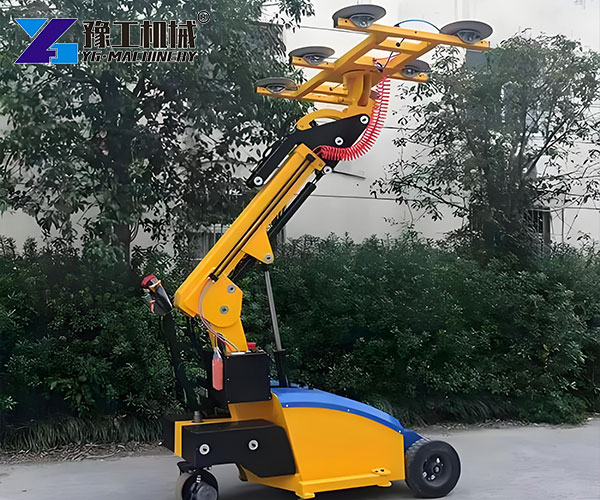
Daily Work Comparison
| Work Stage | Before (Manual Work) | After (With Glass Installation Robot) |
| Moving Glass Panels | 3–4 workers needed | 1–2 workers with glass handling robot |
| Positioning Accuracy | Frequent manual adjustment | Precise positioning with glazing robot |
| Installation Time | 20–30 min per panel | 8–12 min per panel |
| Worker Fatigue | High after long hours | Much lower, easier operation |
After switching to the glazing robot, his team saw clear improvements:
· Installation speed increased by around 40%–60%·
· Fewer workers needed for the same job·
· Less risk of glass damage during handling·
· More jobs completed within the same timeframe
He also mentioned that the robotic glass lifter helped him accept tighter project schedules, which were difficult before.