Many buyers searching for a telescopic boom forklift are not simply looking for a lifting machine. They usually want answers to practical questions:
- What lifting capacity fits my project?
- How much lift height do I actually need?
- Which model works better for construction, agriculture, or warehouse handling?
- How do I avoid buying an oversized or undersized machine?
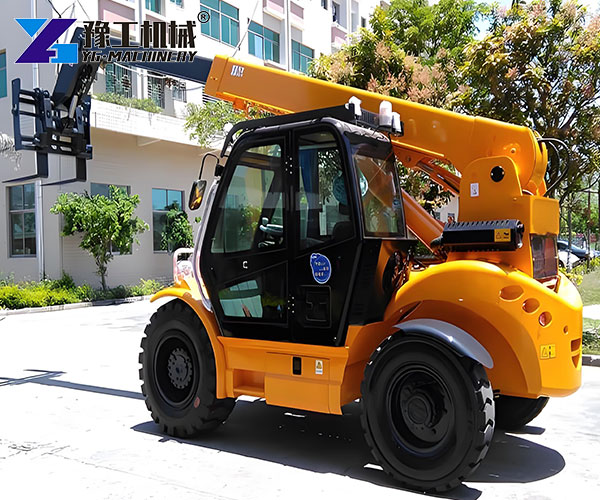
Common Working Scenarios Where Standard Forklifts Struggle
- upper-floor material lifting
- rooftop installation
- farm loading work
- uneven ground operations
- outdoor storage yards
How to Choose a Telescopic Boom Forklift Based on Job Requirements
Construction Projects
Key Considerations:
- load capacity
- lift height
- ground condition
- attachment requirements
Agricultural Operations
- hay bale movement
- feed transport
- muddy terrain operation
- equipment loading
Choosing a Compact Model for Warehousing and Logistics
- aisle width
- stacking height
- turning radius
- indoor/outdoor usage
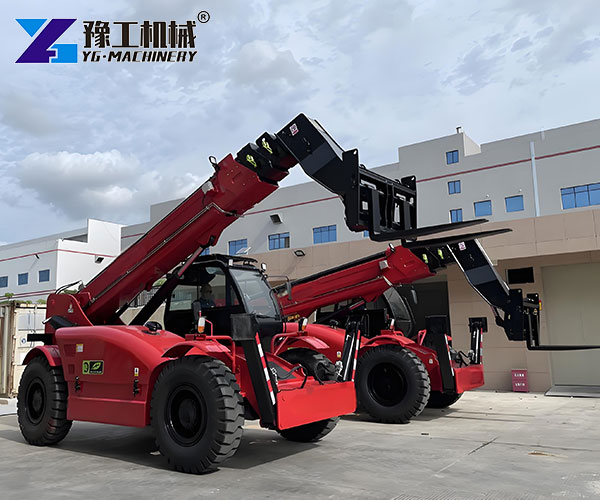
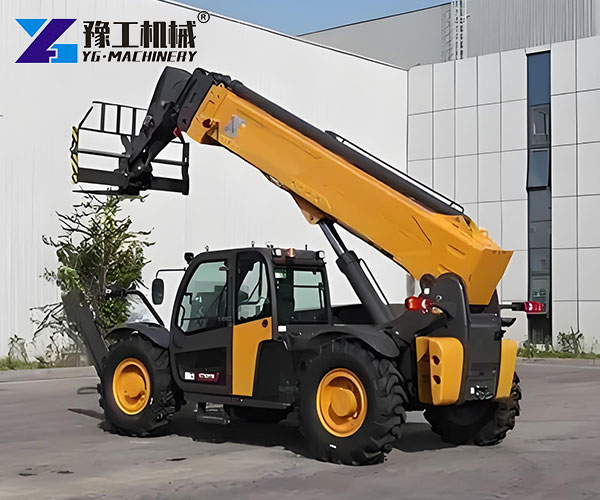
Why Do Telescopic Boom Forklift Prices Vary So Much
Telescopic boom forklift prices vary based on lifting capacity, boom reach, configurations, and application requirements. Choosing the right setup helps match budget and project needs.
Lift Capacity Changes the Equipment Class
Load capacity is usually one of the biggest price factors.
A machine designed for 3500kg lifting work will have different structural and hydraulic requirements compared with a 5000kg model.
Common capacity ranges include:
- 2–3.5 tons for farms, warehouses, and light construction
- 4–5 tons for heavier material handling and larger projects
Higher capacity often means:
- stronger chassis design
- upgraded hydraulic systems
- larger counterweight structures
Boom Height and Reach Affect Configuration Cost
Not every project needs the same lifting range.
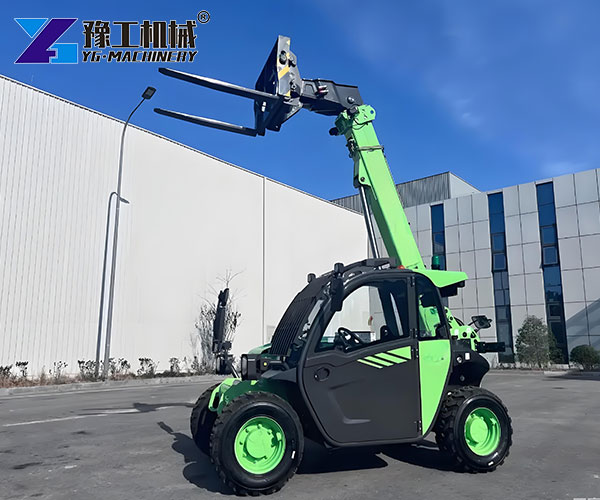
Some users only require 7–10m lift height for warehouse or farm operations.
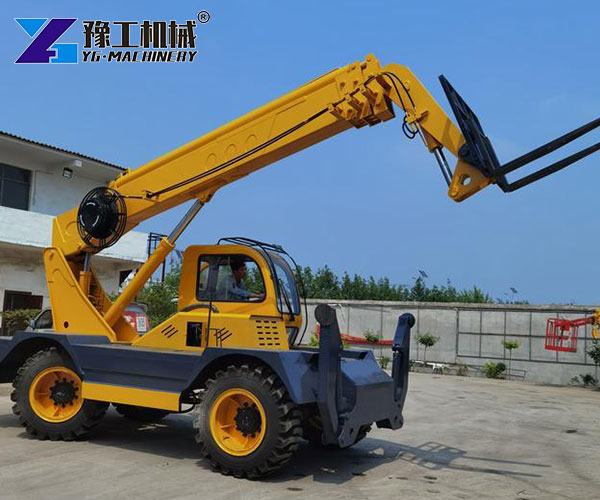
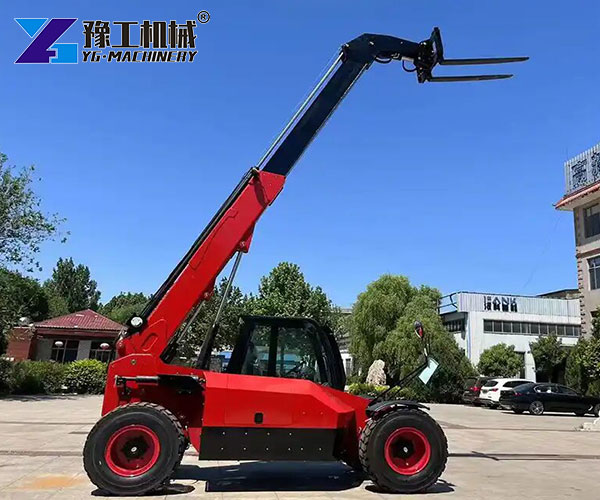
Others may need 14–18m reach for roofing work, upper-floor delivery, or large construction projects.
Longer boom systems typically involve:
- reinforced structures
- additional hydraulic control components
- different stability balancing designs
As lifting height increases, equipment pricing usually changes as well.
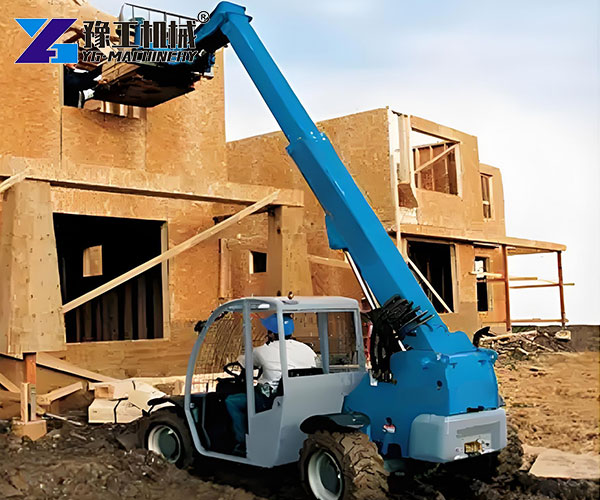
Drive System and Terrain Capability Matter
The work environment has a direct impact on machine configuration. Indoor material handling requirements differ greatly from rough outdoor construction sites.
Buyers working in:
- gravel yards
- muddy farms
- mining roads
- unfinished construction areas
Often choose configurations such as:
- four-wheel drive
- multiple steering modes
- rough terrain tyres
Attachments Can Expand Functionality — and Cost
A basic machine usually comes with standard forks. However, many operators require additional tools to match changing work demands.
Popular attachment choices include:
- bucket
- lifting hook
- work platform
- bale clamp
- material grab
Attachment selection can turn one machine into a multi-purpose handling solution.
FAQ About Telescopic Boom Forklift Selection
Q: How do I choose the right telescopic boom forklift capacity?
A: Choose based on load weight and job type. 2–3.5 ton models fit lighter work, while 4–5 ton machines suit construction and heavy handling.
Q: What lift height should I choose?
A: It depends on your application. 7–10m fits farms and warehouses. 10–14m is common for construction projects.
Q: Is four-wheel drive necessary?
A: Not always. Flat indoor sites may not need it. Farms, construction sites, and rough terrain often do.
Q: Can a telescopic boom forklift handle different tasks?
A: Yes. With different attachments, one machine can lift, load, stack, and move materials.
Q: What affects the telescopic boom forklift price?
A: Main factors include capacity, boom height, engine type, drive system, and attachments.
Q: Is a telescopic boom forklift suitable for farm work?
A: Yes. It is commonly used for hay handling, feed transport, and truck loading.