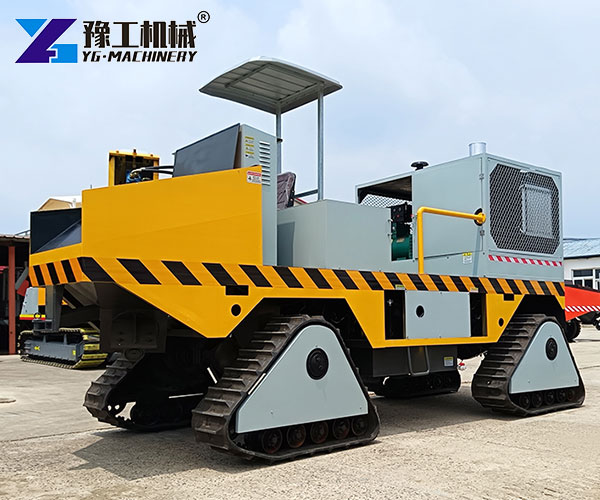
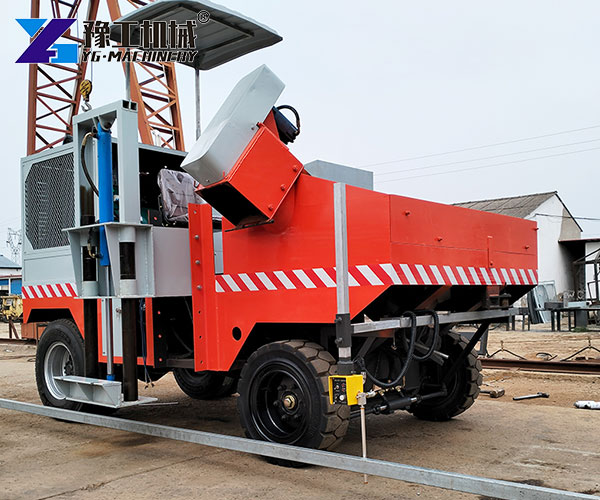
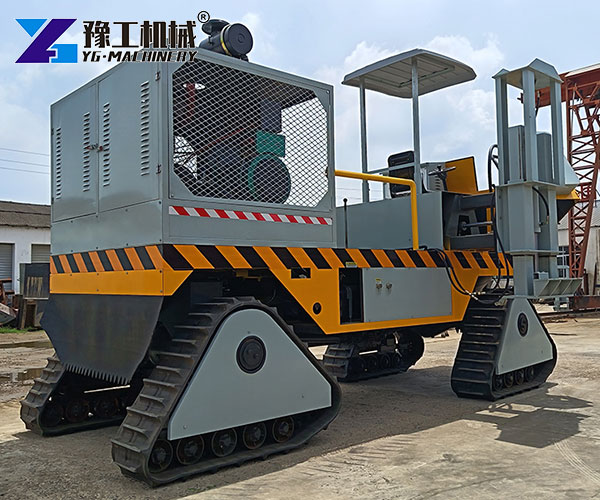
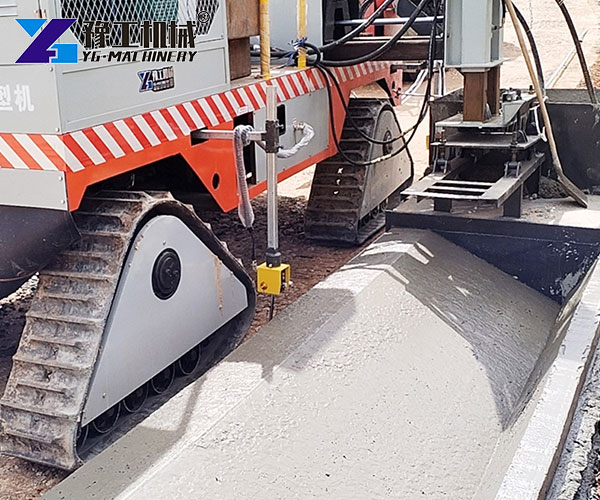
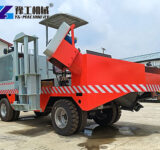
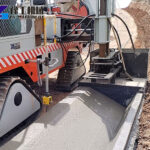
Traditional curbstone construction is labor-intensive, time-consuming, and often inconsistent. Manual methods or outdated machinery can delay projects, increase costs, and affect road quality. A kerb laying machine provides a high-efficiency solution for urban streets, highways, and landscaping projects. These machines reduce labor, ensure uniform curbstone profiles, and allow contractors to complete longer stretches of road in a single pass.
curb making machine
Parameters of the kerb laying machine
Parameter
KB8000
KB30
Overall Dimensions
2.9m × Total width + 1.2m × 2.9m
5.2m × 2.4m × 2.9m
Packing Dimensions
2.9m × 2.2m × 2.2m
5.2m × 2.15m × 2.2m
Weight
4T
5.5T
Power System
4100-type diesel, 30 kW
R4105 turbo diesel, 62 kW
Walking Power
2 × 3 kW motors
1 × 11 kW motor
Walking Speed
0.33–3.3 m/min
0.75–7.5 m/min
Forming Process
Vibrating rod
Vibrating rod
Mold Lifting Stroke
1100mm
1000mm
Max Construction Width
8m
2m
Max Construction Height
3m
1m
Track Type
2 steel tracks, 400mm
4 rubber tracks, 400mm
Optional Features
High-frequency vibrating rod, 10-key remote control
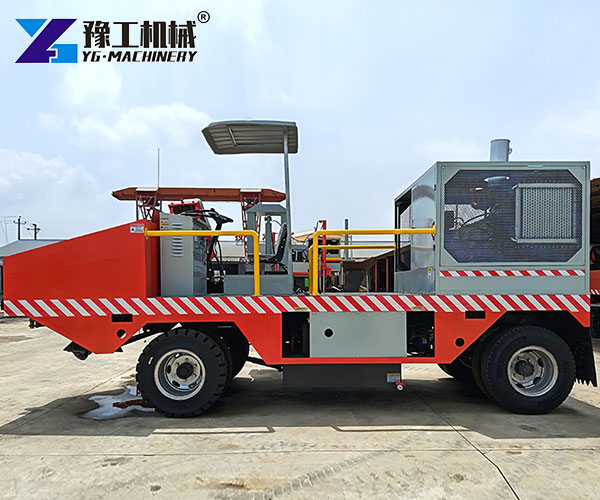
Chassis & Track System: Tracks provide stability for uneven terrain.
Control System: Automatic direction and leveling sensors for precision.
Optional Accessories: Remote control, sunshade, high-frequency vibrating rod, car wash unit.
concrete curb machine
How the Slipform Kerb Machine Works
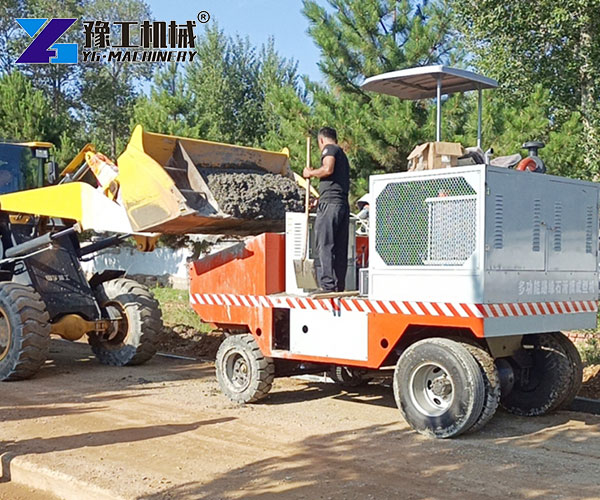
Feed concrete: Transport concrete from the transit mixer into the machine’s hopper.
Position travel: The unit advances slowly following preset marking or laser positioning.
Material feeding & compaction: Internal spiral feeder sends concrete into the forming mold, built-in vibrators compact the concrete tightly.
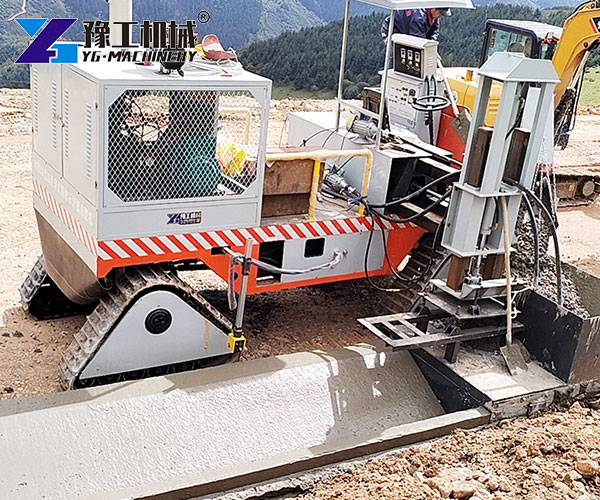
In-place forming: Moving mold extrudes curb shape, finished kerb holds its formed outline immediately behind the equipment.
Slipform Curb Machine vs Traditional Manual Method
Item
Slipform Curb Machine
Manual Method
Construction speed
15–70m per hour
20–50m per day
Labor needed
1–2 workers
4–6 workers
Surface quality
Smooth, uniform
Uneven, easy to have defects
Joints
Few or no joints
Many joints, easy to crack
Material waste
Low
High
Adaptability
Slopes and curves allowed
Limited to flat and straight areas
Efficiency and Productivity Improvements:
Continuous slipforming allows long stretches without stopping.
Adjustable walking speed improves handling for different concrete types.
Mold lift stroke (1000–1100mm) accommodates different curb heights.
Multiple operators can collaborate on large-scale projects.
concrete kerb forming
concrete kerb machine
Application of the Curb Stone Slipform Machine
Urban streets and highways – The kerb laying machine efficiently constructs curbstones along city roads and highways, ensuring uniform profiles and smooth surfaces for traffic.
Residential and commercial road construction – Ideal for neighborhood streets, apartment complexes, and commercial areas, allowing fast installation without disrupting surrounding areas.
Airport and port infrastructure – Supports precise curbstone placement along runways, taxiways, and port facilities, meeting strict safety and durability standards.
Landscaping and park pathways – Creates decorative or functional curbs in parks, gardens, and recreational areas, improving aesthetics and drainage management.
Industrial parking lots – Facilitates fast and accurate curbstone installation for large parking areas, helping optimize space and traffic flow.
curb forming machine
Customer Case
A road construction team from Poland contacted us in early 2024. They needed to install curbs for a 6-kilometer local road project. Manual work would take too long and delay the whole project.
After checking their project size and curb profile, we recommended a standard kerb laying machine. They sent an inquiry, confirmed parameters, and placed the order quickly.
The machine arrived on site within the agreed time. Our technician provided online guidance for setup and operation. The team started work smoothly soon after.
The project manager sent feedback two months later. The kerb laying machine helped them finish two weeks ahead of schedule. Labor cost dropped by over 60%, and the project owner praised the smooth, even curb surface. They plan to order a second machine for their next highway project.
kerb construction machine
roadside curb construction
Frequently Asked Questions
Q: Can the kerb machine work on sloped ground?
A: Yes. The hydraulic system and automatic alignment keep a stable performance on gentle slopes.
Q: How many workers do I need to operate the machine?
A: Usually 1–2 workers: one operator and one helper for concrete feeding.
Q: Can I change curb size and shape on the same machine?
A: Yes. You replace or adjust the mold to get a different width, height, and profile.
Q: What kind of concrete does the machine use?
A: It uses zero-slump or low-slump concrete for fast shaping and good stability.
About YG Company
YG has over 20 years of experience in manufacturing construction machinery. We focus on road equipment, including kerb laying machines, asphalt equipment, and concrete machinery. All our products have CE and ISO certifications, meeting international safety and quality standards.
We provide full pre-sales consultation, custom mold design, and flexible configuration to match your project needs. After-sales support includes operation training, spare parts supply, and timely troubleshooting.
In addition to kerb machines, YG also offers asphalt pavers, road rollers, concrete mixers, and small construction equipment to support your full project needs.