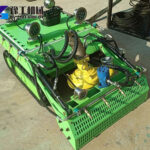
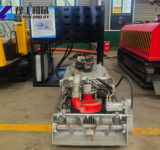
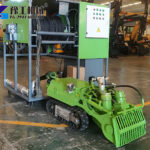
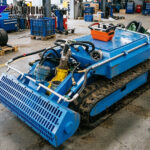
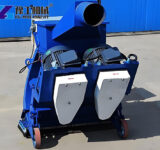
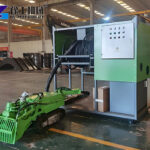
A wastewater treatment contractor in Chile needed a better way to remove settled sludge from treatment tanks. Thick sediment had built up on the tank floor, making manual cleaning slow and difficult.The contractor wanted a machine that could move through the sludge and pump it out while operators stayed outside the tank. After comparing several suppliers, the company purchased a sludge removal robot from YG Machinery.
The contractor faced several problems with its existing cleaning method.
First, sludge accumulated at the bottom of the tank and became difficult to move as it settled. A standard suction system could remove loose material but was less effective when sediment covered a wide area.
Second, manual cleaning required workers to spend long periods near or inside the tank. This increased preparation work and made the cleaning process harder to organize.
The contractor needed equipment that could:
Move across the sludge-covered floor
Remove and pump settled material
Work underwater
Operate by remote control
Cover different tank widths
Reduce dependence on manual cleaning
This made an automated robotic dredge a better fit for the project than a simple pumping system.
The Chilean buyer searched online for equipment for tank sludge removal and compared suppliers based on pump capacity, working depth, dredging width, control method, and price.
YG Machinery provided several configurations rather than one fixed machine. This allowed the customer to compare different working widths and pumping capacities according to the tank application.
The customer was also interested in remote operation. A Remote Control Dredging Robot allows the operator to control the machine from outside the working area.
During the discussion, YG asked about the tank conditions, sludge accumulation, working depth, and required cleaning area. The customer then received a suitable configuration and quote for the Chile project.After comparing the technical information and purchase cost, the contractor placed the order.
After the robotic dredging system arrived in Chile, the contractor prepared the tank and sludge discharge system.
The cleaning process was straightforward:
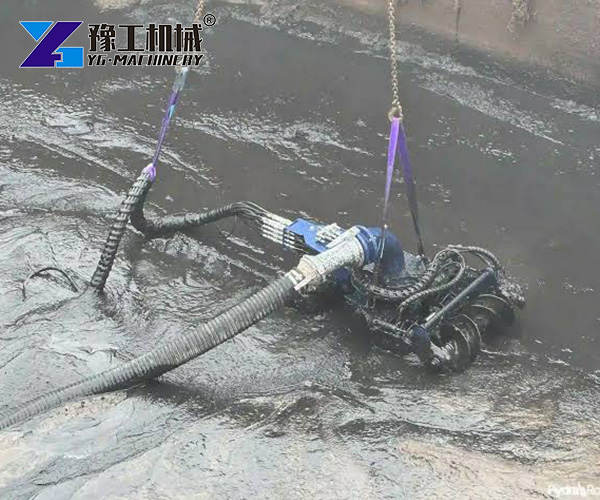
The robot was lowered into the tank.
The operator moved it toward the sludge-covered area.
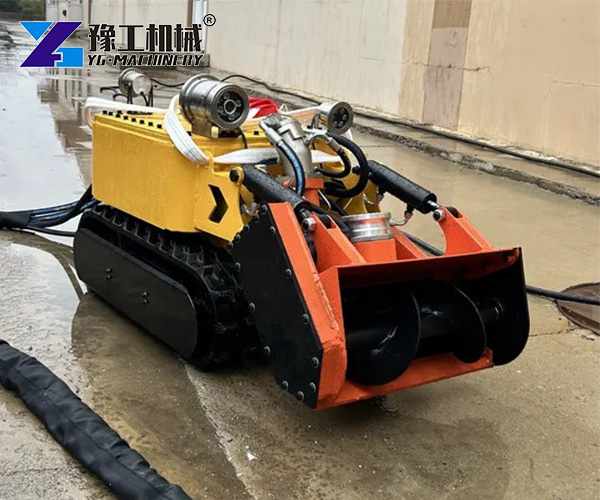
The tracked chassis moved across the tank floor.
The pumping system transferred the sludge through the discharge line.
The operator adjusted the working path with the wireless remote.
The robot continued through the remaining areas.
The machine also uses underwater LED lighting and an IP68 waterproof design. These features support underwater operation and give the operator better visibility during cleaning.
For the contractor, the biggest change was the operating method. Workers no longer needed to manually guide the cleaning equipment across the tank floor.
The Chile project also gave the contractor equipment that could be used beyond one tank.
Different configurations provide dredging widths from 500 to 1200 mm and pump flows from 100 to 250 m³/h. The maximum listed working depth reaches 30 m.
This makes the equipment suitable for different sludge removal requirements, including wastewater treatment tanks, lagoons, waterways, and other sediment-filled areas.
For treatment contractors, the machine can also work as a Sedimentation Tank Dredging Robot when settled solids require regular removal.
YG Machinery supplies robotic dredging equipment for wastewater treatment and environmental cleaning projects.
When requesting a Dredging Robot quote, buyers should provide the tank size, working depth, sludge condition, required dredging width, and discharge distance. YG can recommend a suitable configuration and provide the equipment price and shipping details.
Contact YG Machinery to discuss your Sludge Cleaning Robot project and request a suitable quotation.【WhatsApp/WeChat/Phone/Skype】+86 13937183602