How Industrial Dredging Robots Handle Tank Sediment
In many industrial systems, sludge is not something that appears suddenly. It builds up slowly inside tanks, pipelines, and sedimentation ponds as part of normal operation. Over time, this sediment changes how the entire system performs, often reducing efficiency and increasing maintenance pressure.
An industrial dredging robot is one of the modern approaches developed to handle this type of problem. Instead of relying only on manual cleaning or basic pumping systems, it introduces a controlled and remote way to remove sludge directly from the working environment.
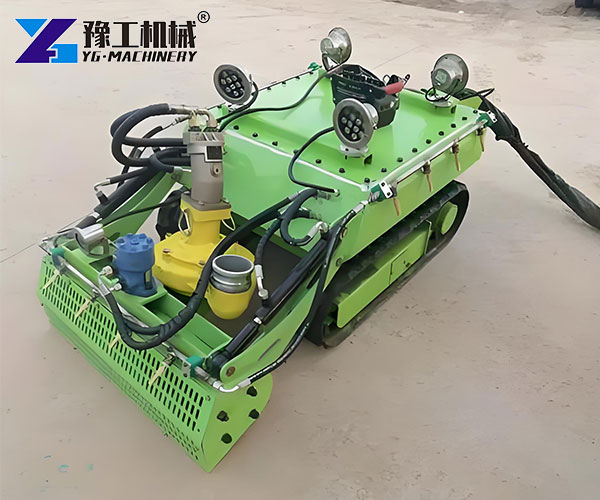
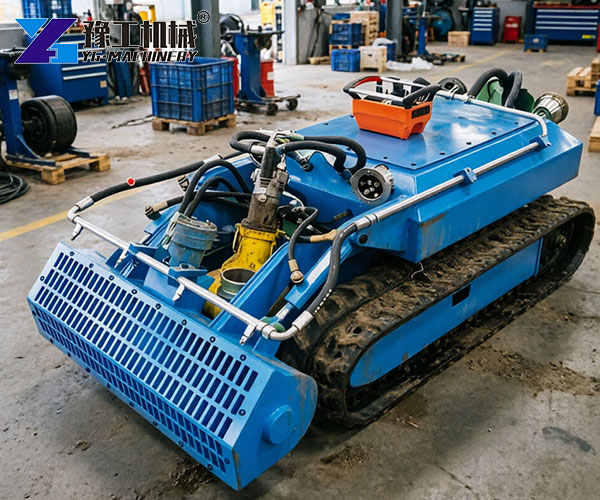
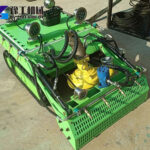
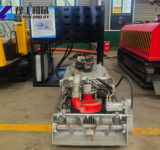
River Silt Cleaning Dredging Robot
Why Sludge Accumulation Becomes a Hidden Operational Problem
Sludge formation is a gradual process. In wastewater systems, chemical plants, and industrial storage tanks, solid particles naturally settle at the bottom. These particles then mix with water, oils, or chemical residues, forming thicker layers over time.
What makes sludge difficult to manage is not only its presence, but its changing nature:
It becomes denser the longer it stays inside the tank
It spreads unevenly across different tank areas
It often contains mixed materials with different textures
It reduces effective storage and processing capacity
Because of these conditions, sludge removal is not a simple cleaning task. It is part of long-term equipment maintenance.
Limitations of Traditional Sludge Cleaning Methods
For many years, sludge removal depended mainly on manual labor and basic pumping systems. While these methods are still used in some situations, they often struggle in complex industrial environments.
Manual cleaning requires workers to enter confined spaces, which introduces safety risks. At the same time, pumping systems alone cannot always remove thick or compacted sediment from tank bottoms.
In real operation, this leads to several recurring issues:
Cleaning work depends heavily on labor availability
Confined space entry limits working time and flexibility
Thick sludge often remains after pumping
Project schedules become difficult to maintain
Over time, these limitations increase operational pressure on maintenance teams.
How Industrial Dredging Robots Change the Working Logic
An industrial dredging robot changes the way sludge removal is carried out by separating the operator from the hazardous environment. Instead of entering the tank, the operator controls the machine remotely while it works directly inside the sludge layer.
This shift is important because it changes the cleaning process from manual exposure to controlled remote operation.
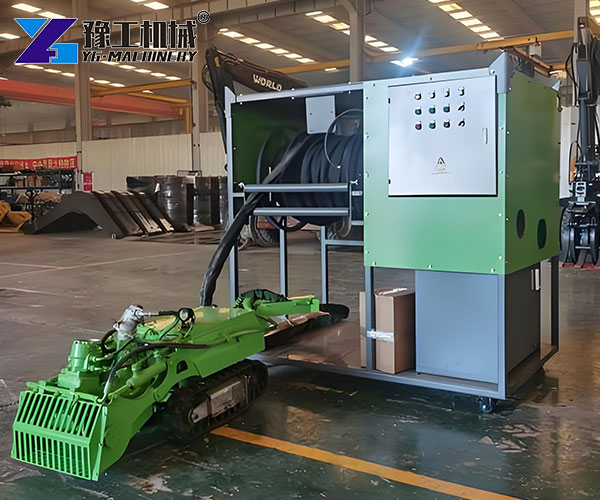
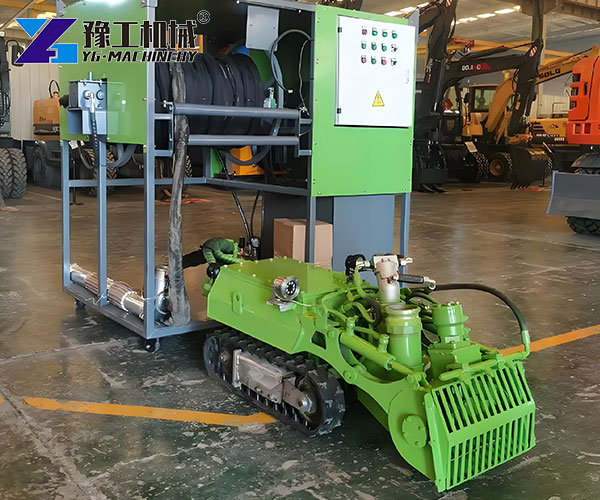
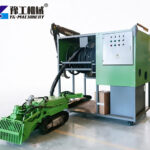
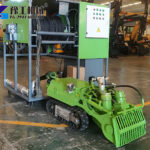
In practical use, the system typically includes:
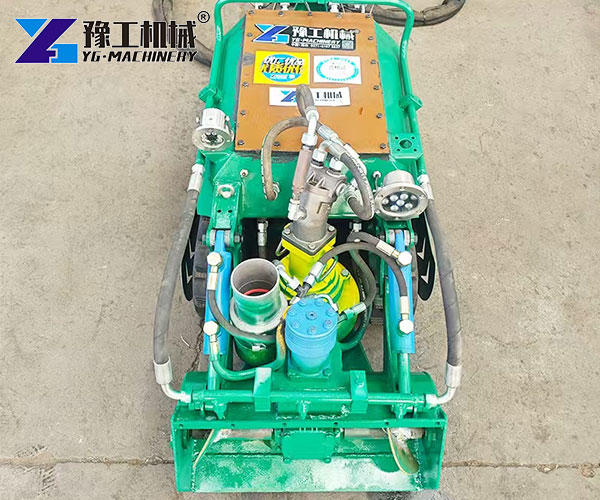
A crawler that moves inside sludge and sediment layers
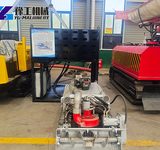
A high-capacity pumping system that extracts sludge continuously
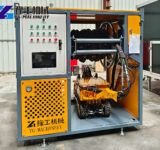
A remote control interface that manages movement and flow
A monitoring setup that keeps operators outside the tank
In real applications, engineers use different types of robotic dredging equipment depending on sludge density, tank structure, and working conditions. They commonly deploy an industrial dredging robot system like those developed by YG, which targets confined tanks where sludge is thick and requires continuous remote operation.
These systems are typically introduced when:
Sludge becomes too dense for standard pumping methods
Tanks need cleaning without stopping the operation
Confined spaces increase safety risks for manual work
As industrial systems continue to evolve, sludge management requirements also become more complex and site-specific. At YG, we design and supply industrial dredging robot systems based on different tank structures, sludge conditions, and operational needs.
If you are planning a sludge cleaning project or looking for a more efficient dredging solution, you are welcome to contact us. We will analyze your working conditions and provide a tailored system configuration that best fits your application.