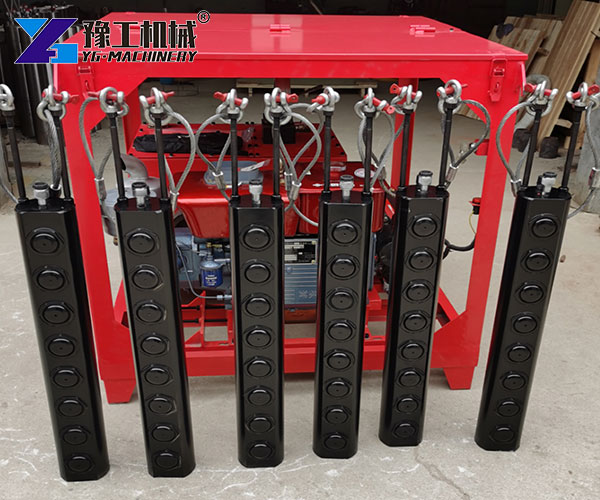
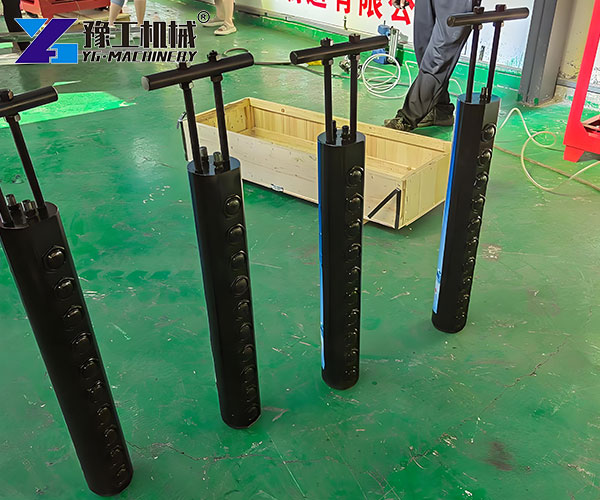
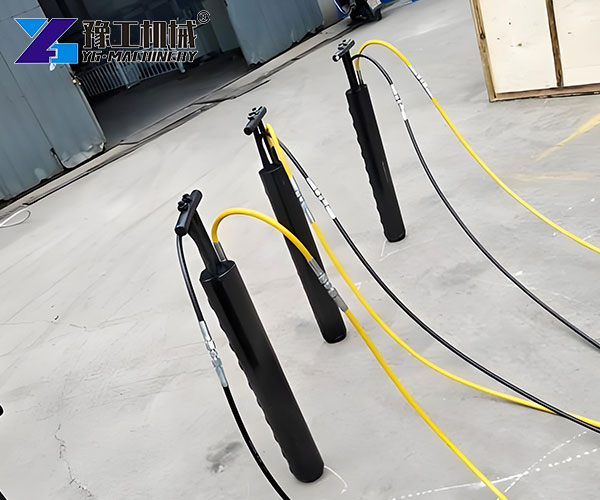
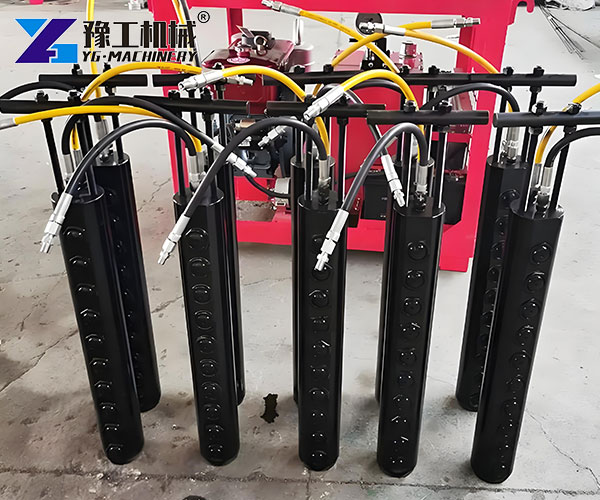
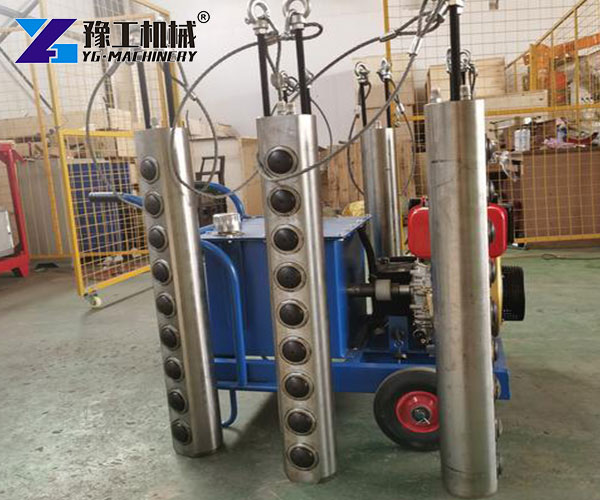
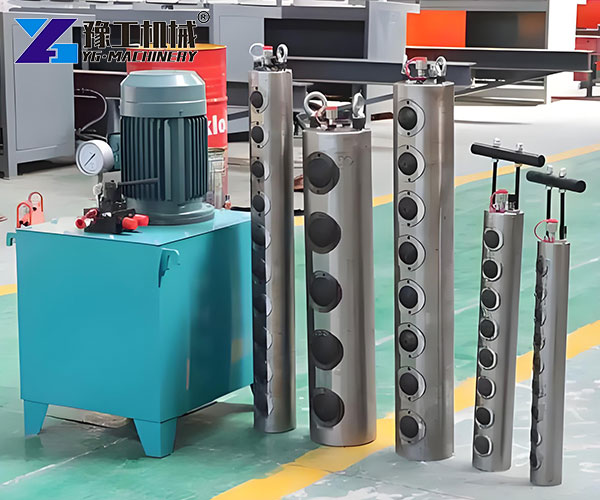
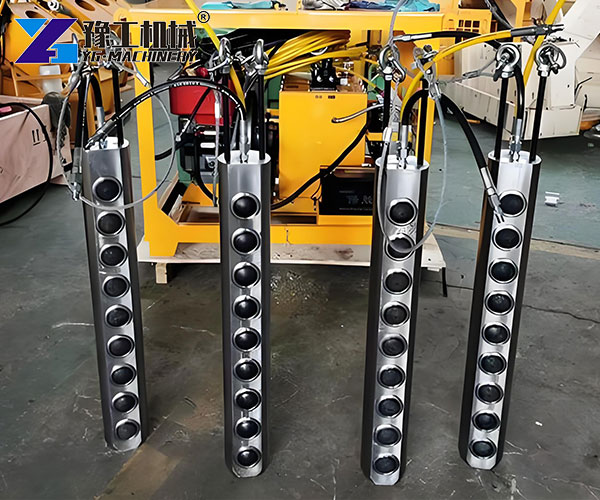
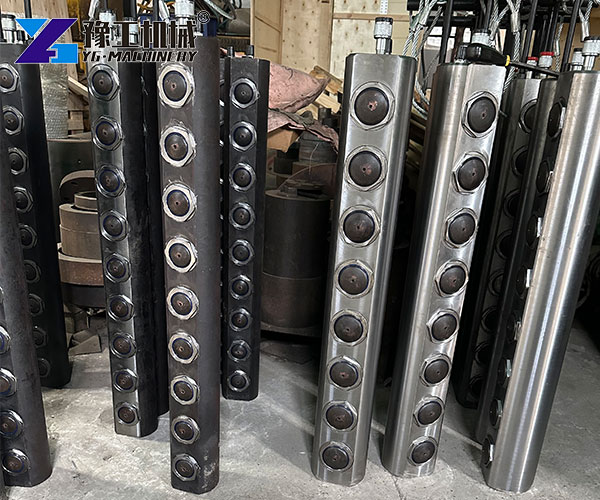
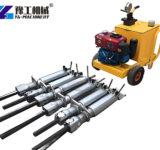
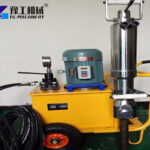
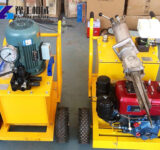
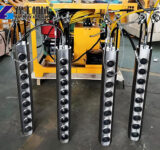
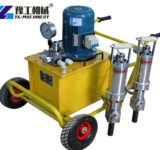
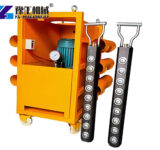
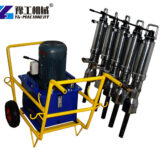
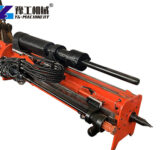
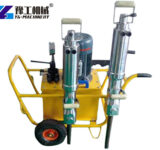
The hydraulic piston rock splitter acts as a practical tool to split hard rock and dense concrete on construction and quarry sites. It handles tough materials that manual tools and impact equipment struggle to process. Many worksites pair this device with common splitting tools to finish different breaking tasks. Teams turn to the hydraulic piston rock splitter when blasting is banned or traditional methods bring extra troubles.
rock splitter rod
Hydraulic Piston Rock Splitter Technical Parameters
Cost Efficiency of Using a Hydraulic Piston Rock Splitter
Operating expenses drop noticeably once teams adopt the hydraulic piston rock splitter. A single worker can handle all operating steps, so sites no longer need large labour teams for breaking tasks.
Key points for cost control:
Wear parts feature long service life. You spend less on frequent replacements and routine upkeep.
Fast splitting cycles cut down total working hours for each project.
Reduced labour and maintenance costs together lower overall operational spending.
tunnel rock splitter
Return Ratio for hydraulic piston rock splitter
Long-term use of the hydraulic piston rock splitter brings steady investment returns. Traditional breaking work requires multiple staff to finish standard daily workloads. This device greatly cuts labor input and accelerates work progress.
Most projects finish ahead of the planned timeline. Early completion avoids extra charges caused by schedule delays. Reliable running also minimizes financial loss from unexpected equipment downtime. All these factors help raise the overall return on investment for quarries and construction teams.
Material hardness: Choose standard models for regular rock; select reinforced versions for hard granite
Power supply: Electric units fit sites with stable power access; diesel units work for remote areas
Working space: Standard models suit open yards; compact designs apply to narrow tunnels and pits
Operation frequency: Upgrade configurations if the machine runs continuously every day
construction site splitter
Practical Project Stories & User Reviews
A construction firm from Portugal reached out to YG Machinery to upgrade its rock processing solutions. The team runs multiple quarry and demolition projects across the region, and they wanted to replace conventional blasting to cut operational costs and reduce site disturbances.
Inquiry: Asked about splitting depth, daily working output, delivery arrangements, and whether the equipment could integrate with their existing tools.
Purchase: Confirmed all technical details and placed an order for four YG-110 sets, one 8HP diesel hydraulic station, and a full set of spare accessories.
Delivery: Every unit has completed factory inspection and packaging. All goods arrived at the job site right on schedule.
Usage Feedback:
Daily rock processing volume grew by 32% compared with the former working methods
Monthly expenditure on temporary workers dropped by 26%
Work suspension caused by noise and safety issues was fully eliminated
Average service interval for wearing parts extended to 45 working days
We have more than 20 years of experience in construction machinery manufacturing. All splitting equipment from our factory holds valid CE certification.
We focus on R&D and production of static splitting and drilling equipment, serving clients across the globe with professional solutions.
Provide detailed pre-sales consultation to select the proper models for different projects
Offer customised solutions for special working conditions and personalised demands
Deliver full after-sales support and timely supply of spare parts