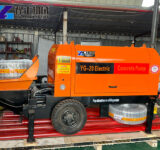
Concrete demolition is not always simple. Many contractors work in cities, tunnels, bridges, basements, or industrial plants where blasting is prohibited and large breakers create excessive vibration. Cracks in nearby structures, noise complaints, dust control requirements, and safety regulations can slow down projects and increase costs. A hydraulic concrete splitter offers a practical solution by applying a powerful splitting force directly inside pre-drilled holes, allowing operators to break concrete in a controlled manner without explosives.
What Is a Hydraulic Concrete Splitter
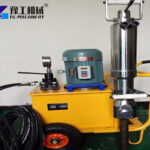
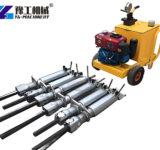
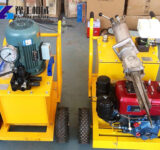
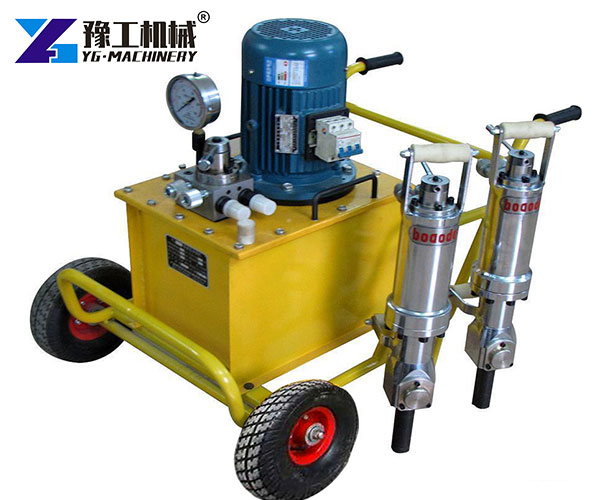
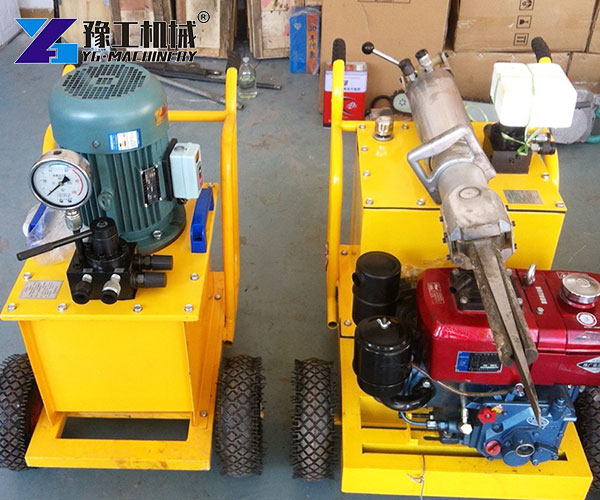
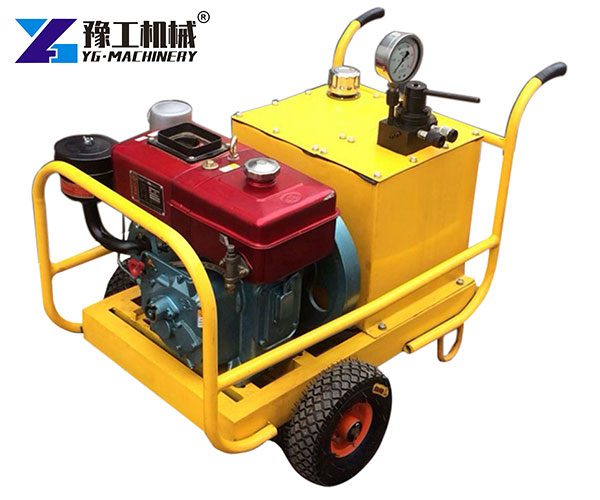
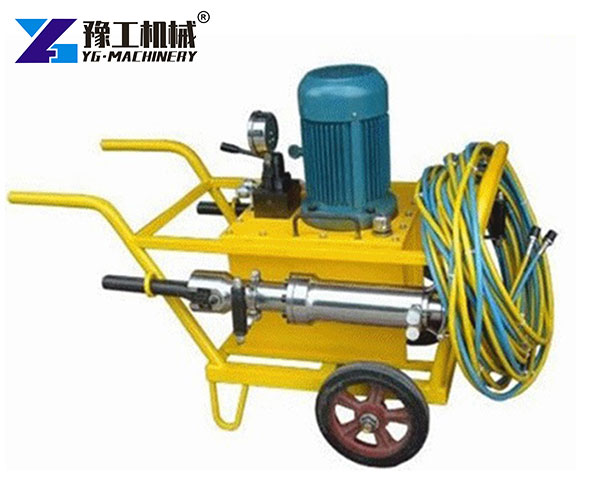
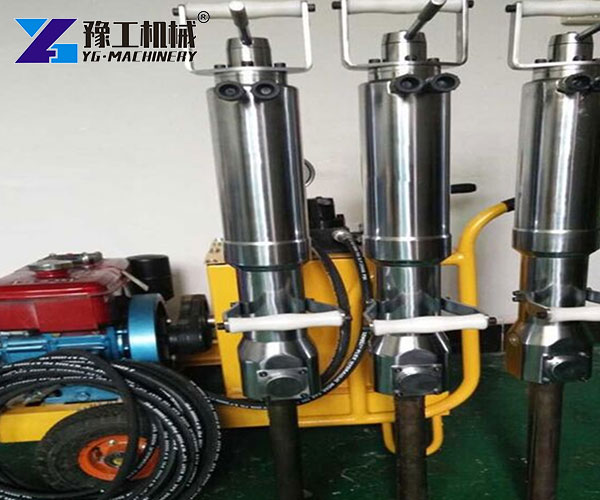
A hydraulic concrete splitter is a demolition machine that converts hydraulic pressure into splitting force. The system usually consists of:
- Hydraulic power station
- Splitting cylinder
- Wedge assembly
- Hydraulic hoses
After drilling holes in concrete or rock, operators insert the splitter into the hole. Hydraulic pressure pushes the wedges outward and generates a strong expansion force that fractures the material from within.
Unlike impact breakers, a hydraulic concrete splitter creates cracks through static force. This method reduces flying debris, minimises vibration, and allows precise demolition in confined environments.
Parameters of Hydraulic Concrete Splitter
| Model | YG-250 | YG-350 | YG-450 |
| Power | Diesel Power Pack | ||
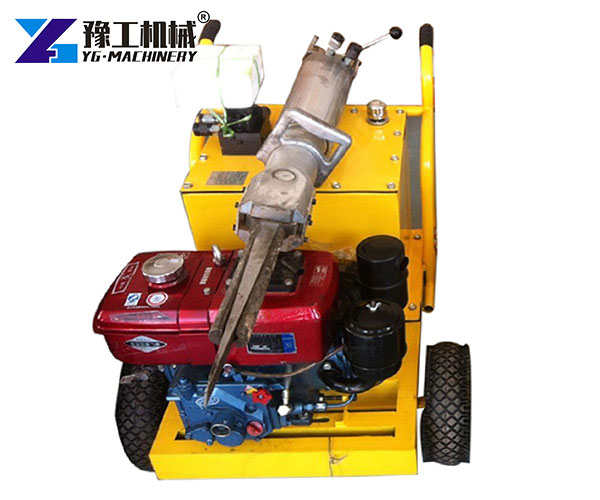
| Diesel Power Pack | Changchai 6hp or 8hp | ||
| Hydraulic Power Unit | Pressure Adjustable 10-60MPa | ||
| Splitter Length(mm) | 1000 | 1100 | 1200 |
| Wedge Length(mm) | 250 | 350 | 450 |
| Wedge Weight(kg) | 30 | 36 | 43 |
| Piston Stroke(mm) | 90/220 | ||
| Drilling Depth(mm) | >500 | >700 | >900 |
| Drilling Diameter(mm) | 42 | 50 | 55 |
| Crack Width(mm) | 10-20 | ||
| Splitting Time(s) | 10-15 | ||
| Splitting Force(T) | 800 | 900 | 1000 |
Advantages of Hydraulic Concrete Splitter
- Low noise operation: No harsh impact sound during work, so it can run in downtown areas and residential surroundings all day long.
- Low vibration performance: Static pressure working mode stops strong vibration from spreading, protecting adjacent walls, pipelines and finished facilities.
- Easy handheld operation: The whole set is lightweight. One single worker can move and operate the machine freely on narrow working spaces.
- Wide compatibility: It adapts to concrete, natural rock, and raw stone, covering most splitting needs in construction, mining and road projects.
Hydraulic Stone Splitter Built with Durable Materials
High-Strength Alloy Steel
- The splitting cylinder operates under extremely high hydraulic pressure.
- High-strength alloy steel improves wear resistance and service life.
Heat-Treated Wedges
- The wedge assembly directly transfers force into rock or concrete.
- Heat treatment increases hardness while maintaining toughness.
Industrial Hydraulic Seals
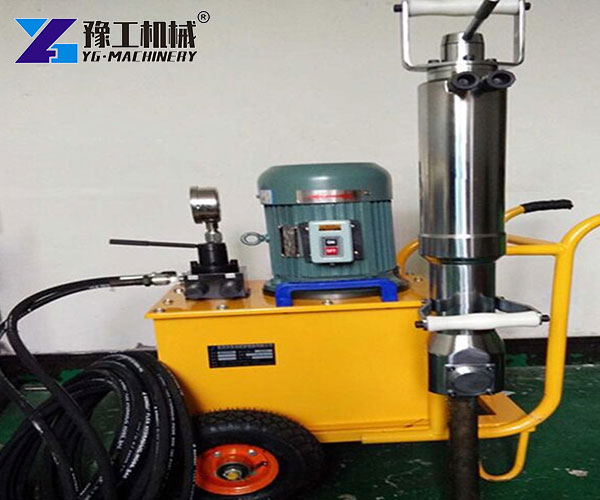
Premium seals help prevent oil leakage and maintain stable pressure output.
Reinforced Hydraulic Hoses
Heavy-duty hoses withstand demanding construction environments and frequent operation cycles.
Rock Splitter Hydraulic Applications Across Industries
Construction Demolition
- Building removal
- Concrete wall demolition
- Foundation breaking
- Floor slab removal
Tunnel Engineering
- Tunnel enlargement
- Rock excavation
- Controlled excavation zones
Quarry Operations
- Granite extraction
- Marble extraction
- Dimension stone production
Mining Projects
- Ore body exposure
- Boulder reduction
- Secondary rock breaking
Infrastructure Construction
- Bridge renovation
- Road expansion
- Dam maintenance
Factors Affecting Hydraulic Rock Splitter Price
- Configuration difference: Units with diesel power cost more than electric types, because they support work in areas without a stable power supply.
- Material grade: Alloy steel parts with higher hardness have a higher production cost, and they correspond to a higher selling price.
- Custom parts: If clients need extended wedges or multi-group combined splitters for special projects, the overall cost will rise accordingly.
- Complete set accessories: Full sets with extra oil pipes, replacement wedges, and maintenance tools also have different pricing ranges.
Real Customer Case & Feedback
An Ireland-based project manager contacted us six months ago for a municipal renovation project near residential zones. He focused on rock splitter hydraulic and enquired about core performance parameters.
- Inquiry: Asked about noise level, weight and daily working capacity for concrete splitting tasks
- Purchase: Placed an order for two sets of hydraulic concrete splitter after full confirmation
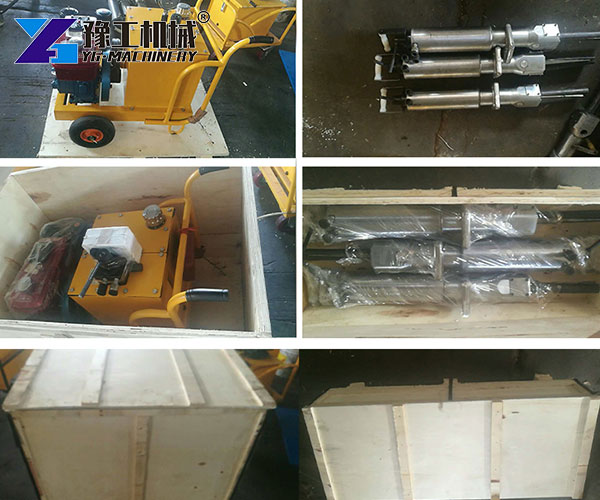
- Delivery: Finished packaging and shipment within 7 working days, goods arrived at the local port on time
- Usage Feedback:• Original 12-day workload completed in just 5 days• Labor input cut by 60%• No noise complaints from surrounding residents• Equipment maintains stable performance for long outdoor operation
FAQ
Q1: Can this hydraulic concrete splitter work in narrow indoor spaces?
A1: Yes. The main unit is compact in size and easy to turn. It works well in narrow rooms, basement spaces and small foundation pits.
Q2: Do I need professional training to operate a hydraulic splitter for rock?
A2: Basic operation only needs simple guidance. New operators can master standard steps within half an hour. We also provide operation videos for reference.
Q3: What kind of rock is not suitable for a hydraulic stone splitter?
A3: It fits most common hard rock. For extremely loose fractured rock, the splitting effect will be limited, and we can suggest matched solutions for such conditions.
Q4: How to maintain the machine for long-term use?
A4: Check hydraulic oil level before daily work, clean surface dust after use, and replace worn wedges regularly according to usage frequency.
About YG Company
We have over 20 years of machinery production experience and full CE certification.
- Pre-sales consultation & custom solutions
- Complete after-sales support
Main products: