What Affects Polyurethane Foam Spray Equipment Efficiency?
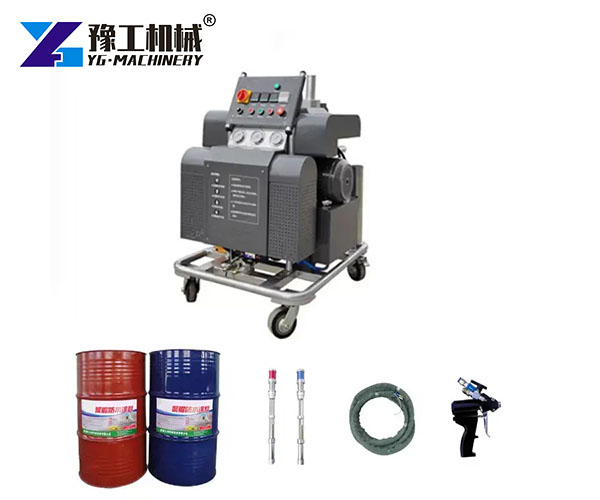
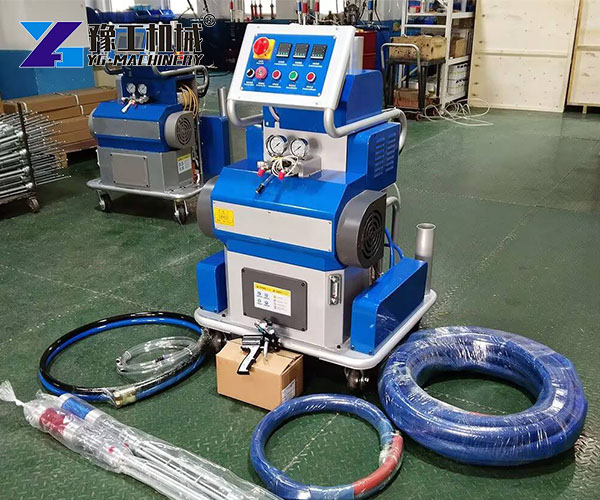
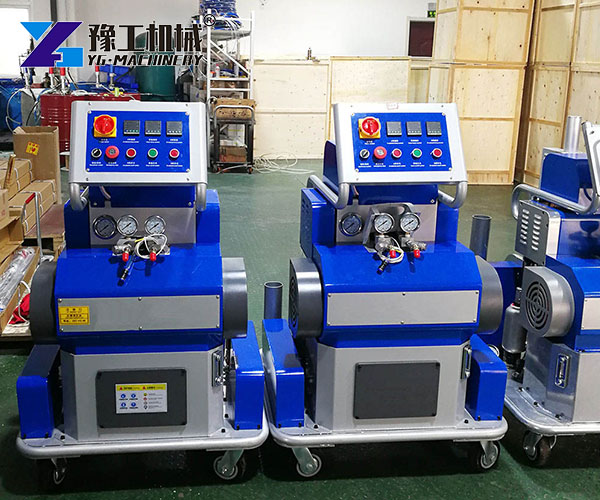
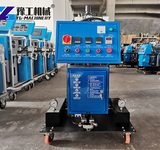
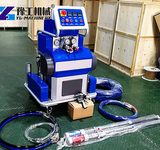
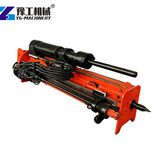
pu foam spray machine
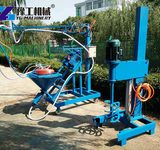
polyurethane foam spraying machine
Choosing the right polyurethane foam spray equipment is essential for contractors and insulation professionals. Equipment performance affects spraying speed, material consumption, labor costs, and final foam quality. However, productivity also depends on material condition, temperature, pressure, spray gun performance, and operator skills.
For insulation, roofing, and other foam application projects, understanding these factors helps prevent delays and unnecessary expenses. YG Machinery helps buyers evaluate their equipment needs and improve spraying efficiency.
How Polyurethane Foam Spray Equipment Performance Affects Efficiency
Machine Output Capacity
Machine capacity determines how much material can be delivered under specified operating conditions. Insufficient output may slow down large projects, while excessive capacity can increase costs for smaller jobs.
Heating performance is equally important. Polyurethane foam materials require suitable temperatures to maintain proper viscosity and consistent application. A stable heating system helps maintain performance during extended operation.
Pressure Stability and Equipment Configuration
Both material components must reach the spray gun at the required pressure and in the correct proportion. Pressure fluctuations can affect atomization and foam quality, resulting in uneven coverage and material waste.
Material Quality, Mixing Ratio, and Temperature Control
Polyurethane foam systems commonly use two components that must be supplied in the correct ratio. Incorrect proportioning can cause poor foam formation, uneven curing, or adhesion problems. These defects increase material consumption and labor costs.
Material quality and storage conditions also matter. Contamination, moisture exposure, and improper storage may affect performance. Temperature influences material viscosity and flow, so operators must follow the manufacturer’s recommendations.
Keep Material Conditions Consistent
Before spraying, check both components and follow the supplier’s instructions for storage, handling, and proportioning. Ensure the equipment is compatible with the selected formulation.
A properly configured polyurethane spray machine can help maintain stable output, but it cannot compensate for poor-quality materials or an incorrect mixing ratio.
Monitor Temperature and Pressure
Materials that are too cold may flow inconsistently, while excessive temperatures can cause other application problems.
To maintain reliable performance, operators should check the heating system, monitor pressure balance, and follow the recommended operating parameters. Adjustments should be based on the equipment manual and material technical data.
A worn, dirty, or partially blocked nozzle can produce an uneven spray pattern, excessive overspray, and inconsistent foam thickness. Regular inspection and cleaning help maintain reliable spraying performance.
Operators should select a nozzle suitable for the equipment and material, then clean it according to the manufacturer’s instructions.
Operator Skills and Spraying Methods
Even a well-maintained machine can produce poor results when spraying techniques are inconsistent. Maintaining a suitable distance, angle, and movement speed helps create an even layer. Moving too quickly may leave thin areas, while moving too slowly can cause excessive buildup.
For contractors using a pu spray foam machine on large surfaces, consistent application techniques can improve productivity. Operators should:
Maintain a consistent spraying distance and angle.
Use steady movements to achieve uniform coverage.
Plan spray paths to minimize repeated coverage.
Check application thickness during the job.
These practices help reduce waste and minimize touch-ups.
Temperature, humidity, and substrate conditions can influence spraying results. Cold materials or substrates may affect application and curing, while damp surfaces can create adhesion problems. The actual impact depends on the foam formulation and the manufacturer’s requirements.
Before spraying, remove or address dust, oil, moisture, and other contaminants. Organize the work area to reduce unnecessary equipment movement and material handling.
Safety is equally important. Proper ventilation, suitable protective equipment, and compliance with chemical handling instructions are essential when working with spray materials.
Unexpected equipment failure can disrupt the work schedule. Filters, pumps, seals, hoses, heaters, and spray guns require regular inspection. Worn components or restricted material flow may cause pressure instability, leakage, or shutdowns.
Inspect Critical Components
A practical pre-operation check should cover:
Filters and supply lines: Check for blockages.
Pumps and seals: Look for wear or leakage.
Heating systems: Confirm temperature controls work correctly.
Hoses and connections: Inspect for damage and loose fittings.
Spray guns and nozzles: Check for buildup and wear.
Cleaning equipment as instructed and replacing worn parts can reduce interruptions and maintain stable output.
Plan Maintenance in Advance
Preventive maintenance should include service records and planned replacement of worn components. For large projects, avoiding unexpected downtime can help control labor costs and maintain schedules.
When evaluating polyurethane spray equipment, consider spare parts availability, maintenance requirements, and technical support. These factors influence long-term operating costs and equipment reliability.
The right polyurethane foam spray equipment depends on project size, application type, material requirements, and expected workload. Large insulation projects may require higher output and sustained operation, while smaller jobs may benefit from compact, portable equipment.
When searching for Polyurethane Spray Machine For Sale options, compare technical specifications rather than relying on advertised output alone.
Before purchasing, consider:
Performance: Does the machine meet your output requirements?
Compatibility: Can it handle your intended materials?
Maintenance: Are spare parts and technical support available?
Total cost: How will energy, labor, material waste, and downtime affect expenses?
The initial purchase price is only part of the investment. Suitable capacity, reliable operation, and manageable maintenance requirements can contribute to better long-term value.
YG Machinery encourages buyers to assess these factors before selecting equipment for their specific applications.
Improving efficiency does not always require a new machine. Better operating procedures and routine checks can improve the performance of existing equipment.
Before starting a job, inspect hoses, filters, connections, and material supplies. Follow the recommended pressure and temperature settings, maintain consistent spraying techniques, and avoid unnecessary interruptions.
Track Productivity and Material Consumption
Recording completed area, material consumption, equipment downtime, and rework helps identify performance problems.
Four useful indicators include:
Spraying productivity: Area completed per hour or shift.
Material utilization: How efficiently material is used.
Equipment utilization: Actual operating time compared with planned working time.
Rework rate: The amount of work required to correct defects.
Low output may indicate equipment limitations or frequent interruptions. High material consumption may suggest excessive overspray or inconsistent coverage. Reviewing these figures helps contractors make targeted improvements.
Improve Your Polyurethane Spray Equipment Efficiency
Efficient polyurethane foam spraying depends on more than machine output. Material quality, temperature, pressure, spray gun condition, environmental conditions, operator skills, and maintenance all influence the final result.
The goal is not simply to spray faster. It is to complete more work with consistent quality, controlled material consumption, and fewer interruptions. Suitable equipment, correct setup, and regular servicing help achieve that balance.
YG Machinery helps buyers evaluate polyurethane foam spray equipment according to their application requirements. Whether you are upgrading an existing system or comparing a Polyurethane Foam Spray Machine for a new project, consider performance, reliability, material compatibility, and long-term operating costs.
Contact YG Machinery to discuss your project needs and explore a suitable spraying solution.【WhatsApp/WeChat/Phone/Skype】+86 13937183602