What to Consider Before Buying a Drilling and Splitting Machine
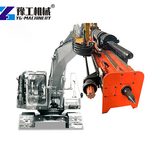
rock drill and splitter for sale
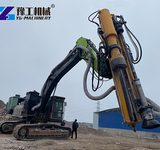
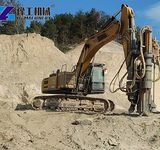
excavator rock drill and splitter for sale
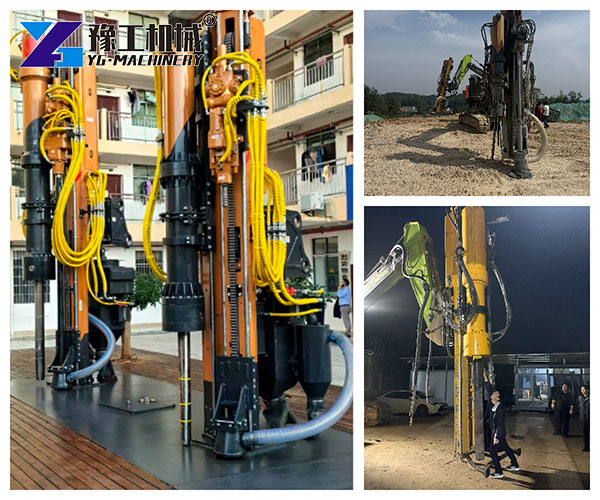
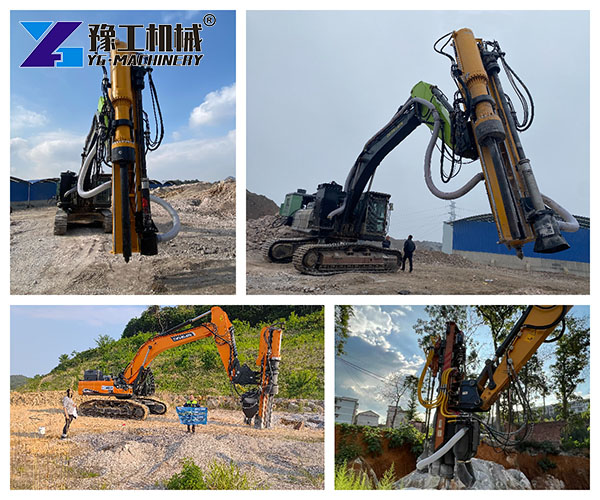
A drilling and splitting machine combines drilling and splitting on a single carrier. That sounds efficient, and it often is. But the machine only pays for itself when it fits the rock, the carrier, and the production target. Choosing by price or by a headline splitting claim alone is how buyers end up with equipment that sits idle.
This guide is a buyer’s checklist. It covers the factors that usually decide whether a purchase works in daily operation or becomes an expensive lesson.
Suppliers cannot recommend the right configuration without knowing what the machine will hit. Rock type alone is not enough. Hard, abrasive rock such as granite, basalt, or quartzite wears tooling faster and demands more drilling effort. Fractured or layered rock changes how a split travels. Soft rock may not justify an integrated system at all.
Before asking for a quote, send key details: rock type, an approximate hardness or strength indication, fracture pattern, and the finished block size you need. A quarry producing road-base material has different needs from a foundation job cutting precise stone blocks. The same machine will not serve both well. Jobsite conditions matter too—bench access, confined space, transport routes, and whether explosives are allowed on site all shape the shortlist.
Hole size, depth, and splitting capacity should be read together. A larger hole allows a larger splitting tool, but it also demands more drilling power. A machine that drills quickly but splits slowly will bottleneck the cycle. The reverse is also true.
An excavator rock drill and splitter is a hydraulic attachment. If the carrier cannot supply the required hydraulic demand, the attachment will underperform. Carrier weight is only a starting point. The hydraulic package matters just as much. A hydraulic rock drill and splitter that runs well on one carrier can feel sluggish on another of similar size with a different pump. Confirm compatibility with the actual carrier model before ordering.
Integrated Drilling and Splitting Machine: Compare Workflow, Not Price
An Integrated Drilling and Splitting Machine removes a machine change from every cycle. The carrier drills, retracts, switches the head, and splits without repositioning separate equipment. On a bench where a drill and splitter would otherwise leapfrog each other all day, that saved time adds up.
But integrated is not a universal answer. If drilling and splitting are managed by different crews, or the operation already owns a capable drill, a separate setup may fit better. Compare utilization: how many hours per shift will the integrated head run both functions? A lower-priced attachment idle half the month costs more per cubic meter than a higher-priced unit on a full schedule.
Why an Integrated Rock Drill and Splitter Fits Some Sites Better
An Integrated Rock Drill and Splitter is most useful when both steps must happen in sequence at the same face. That is common in quarry bench work, foundation excavation, and confined sites where moving a second machine wastes time.
It is less useful when drilling can be batched ahead and splitting runs as a separate operation. Also consider operator workload. An integrated head asks one operator to manage both functions. That can reduce labor, but it requires training and a clear procedure. If the crew is already organized around separate roles, forcing an integrated workflow may create friction.
Rock Drilling and Splitting Machine: Quality and Safety
The drilling head, hydraulic cylinder, wedge set, and structural frame carry the load. Remote control is now common on excavator-mounted models, which keeps the operator away from the rock face during splitting. Hydraulic overload protection releases pressure when the drill meets an unexpectedly hard layer.
For any rock drilling and splitting machine, request a full datasheet and confirm critical information in writing: hole size range, maximum drilling depth, splitting depth, splitting capacity, hydraulic requirements, carrier compatibility, and operating weight. Inconsistent information across the quote, brochure, and manual is a warning sign worth resolving before payment.
The initial price is the least useful number on its own. Ask what the quote includes: hoses, tooling, wedges, mounting bracket, and commissioning. A bare-unit price that excludes wear parts can close the gap with a complete offer quickly.
Wear cost separates machines over months. Drill bits, rods, and splitting wedges are consumables. Ask for a realistic consumable list for your rock and a projected cost per hole or per cubic meter. A rock drill and splitter for sale should be judged on total cost per unit of production, not sticker price. Energy, operator time, transport, and downtime belong in the same calculation.
A drilling and splitting machine is a production tool, not a catalog item. The right choice starts with the rock and the carrier, narrows through hole size and splitting capacity, and only then reaches price. Buyers who reverse that order usually pay twice—once on the invoice, and again in lost production.
If you are evaluating a drilling and splitting machine for an upcoming project, contact YG Machinery with the rock type, required hole depth, carrier model, and site conditions. The team can compare configurations against your actual work rather than a generic specification sheet.【WhatsApp/WeChat/Phone/Skype】+86 13937183602