Concrete Wall Saw: Precision for Building Renovation
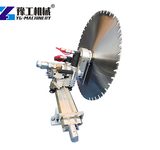
Wall Cutting Saw Machine
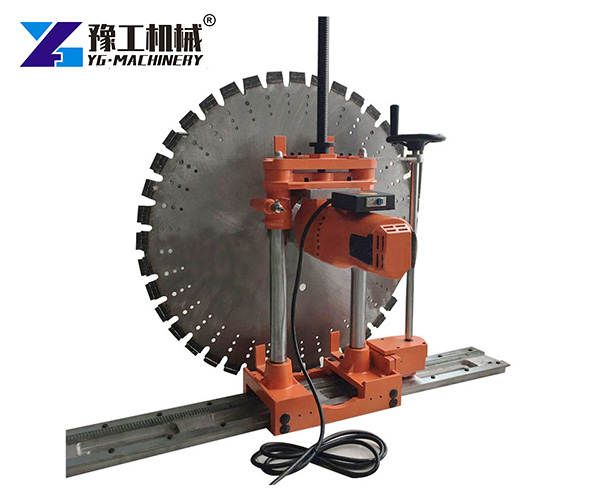
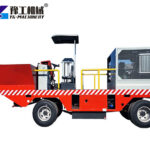
YG Concrete Wall Sawing Machine
A Concrete Wall Saw gives renovation teams a controlled way to cut openings in existing concrete. It is useful for door openings, window openings, service penetrations, and structural openings. Traditional breaking methods can be slow and messy. They can also create vibration and irregular edges. A wall saw offers a more controlled alternative for many renovation projects.
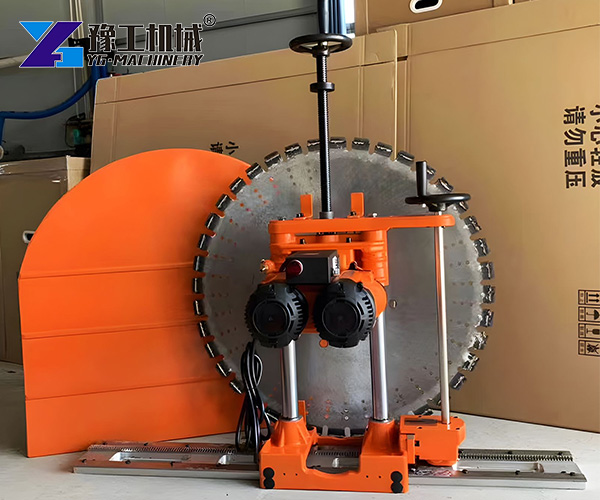
A Concrete Wall Saw is a tracked cutting system for concrete walls and reinforced concrete structures. It usually includes a cutting head, guide rail, diamond blade, and drive system. The machine runs along a fixed track. This helps the operator control cut position, depth, and line quality.
A wall saw cutting machine uses a diamond blade to cut plain concrete and reinforced concrete. The blade is selected for the concrete strength, aggregate, and steel reinforcement. The track supports stable movement during the cut. This is important for clean openings and predictable results.
There are two common drive types. An electric wall saw is suitable when stable power is available and the site has good electrical access. A hydraulic wall saw is used for some heavy-duty cutting conditions and projects with hydraulic power systems. The right choice depends on cutting depth, site conditions, equipment setup, and project requirements.
High cutting accuracy. A wall saw helps control opening position, size, and straightness. This reduces unnecessary concrete damage and later repair work.
Lower vibration. Rotary cutting usually creates less impact vibration than hammer breaking. This can help protect nearby finishes and non-work areas. A structural assessment is still required before cutting load-bearing elements.
Good cutting efficiency. Continuous cutting can improve progress on large openings and repeated cutting tasks. Real output depends on concrete strength, steel density, cut depth, and site conditions.
Clean cut edges. A regular cut edge helps door and window installation, MEP work, and follow-up construction. It can reduce patch work caused by irregular breakage.
Suitable for reinforced concrete. With the right blade and machine setup, wall saws can cut reinforced concrete walls. They are used in shear walls, basement walls, and some infrastructure renovation work. Structural approval is required before cutting load-bearing or shear wall elements.
Flexible applications. Wall saws fit many renovation needs, from commercial fit-outs to residential openings and industrial equipment updates.
Door and window openings. Renovation teams often need clear openings in existing concrete walls. A track-mounted saw helps control the cut boundary and limit damage to nearby concrete. Before cutting, confirm the wall type, opening location, and lifting plan for the cut block.
Commercial interior renovation. New layouts often require extra passages or equipment openings. Clean cuts support later finishing and installation work. Plan work hours, dust control, wastewater collection, and protection for adjacent areas.
MEP and ventilation changes. Pipes, cable trays, and ventilation systems may need larger openings. A wall saw can follow planned dimensions. Check hidden services and structural conditions before work begins.
Confirm wall thickness, cut depth, and opening size. Check blade diameter, effective cutting depth, and installation space.
Choose the drive type for the site. Compare power supply, equipment handling, maintenance needs, and indoor working conditions.
Match the diamond blade to the concrete. Consider strength, aggregate, and reinforcement. A concrete track saw setup also needs a stable rail position and a clean wall surface.
Review site conditions. Plan water supply, drainage, power, and work space. Arrange block cutting, support, lifting, and removal before work starts.
Structure safety comes first. Assess load-bearing elements and set temporary support if needed. Detect rebar, pipes, and other hidden items before cutting. Use a clear cutting sequence to prevent sudden block movement. Control dust and collect wastewater. Check the blade, track, fasteners, drive system, and guards. Use proper eye, face, hearing, and personal protection. Concrete wall sawing requires planning, trained operators, and site supervision.
A wall saw supports accurate openings, lower impact vibration, better edges, and smoother follow-up work. It is valuable for door and window openings, interior layout changes, MEP installations, and reinforced concrete renovation. Equipment selection, work planning, and safety management still decide the final result.
YG Machinery provides wall saw equipment and blade options for different wall thicknesses, cutting depths, and site conditions. If you are looking for a concrete wall saw for sale, contact YG Machinery to match the right solution to your project.【WhatsApp/WeChat/Phone/Skype】+86 13937183602