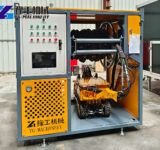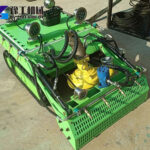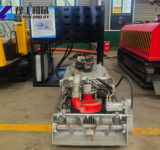
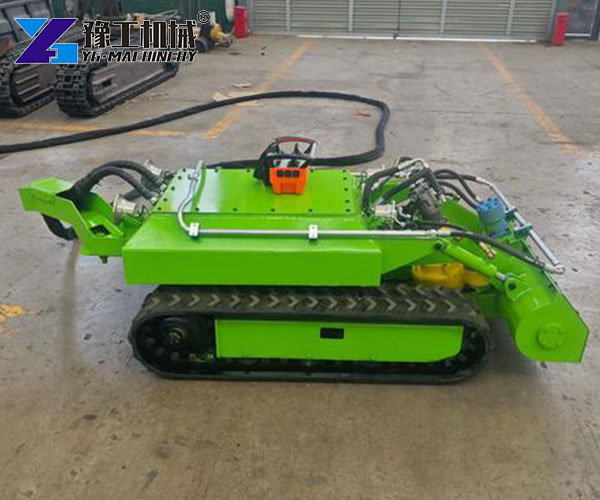
YG supplied one dredging robot to a maintenance contractor in Brazil for industrial sludge cleaning work at chemical and wastewater treatment facilities. The project, with a dredging robot price consideration in the early selection stage, focused on replacing manual sludge removal with a remote-controlled system that could operate safely inside confined tanks and heavy sediment environments.
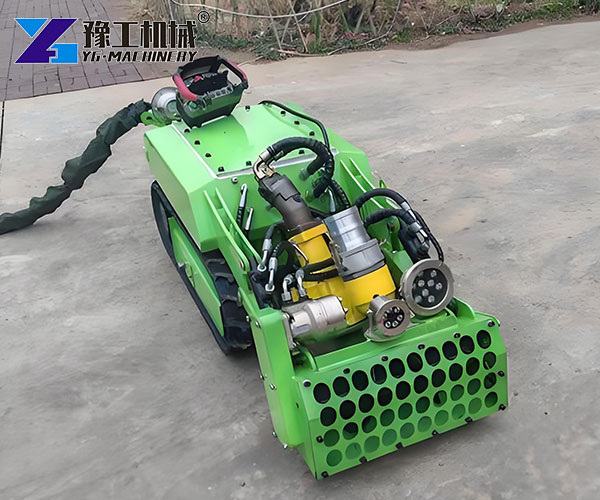
Project Background: Sludge Cleaning Challenge in Brazil
Carlos operates an industrial maintenance service company in Brazil, serving chemical plants, wastewater treatment facilities, and industrial storage sites.
Before using a dredging robot, sludge cleaning relied heavily on manual labor and basic pumping equipment. In most projects, the team needed multiple workers to enter or work near tanks and sediment pits, especially in high-density sludge conditions.
Over time, several operational issues became more serious:
- High labor demand for each cleaning project
- Slow progress in confined or deep tank environments
- Safety risks in chemical and wastewater sludge exposure
These challenges made it difficult to maintain stable project schedules, especially when handling multiple industrial sites.
Equipment Selection Process
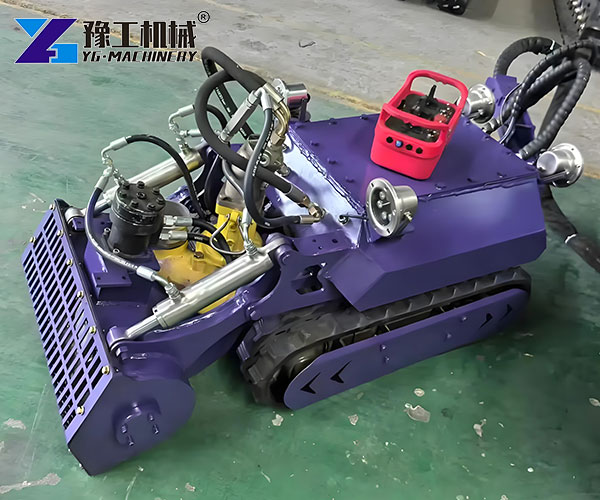
As business demands grow, old cleaning modes can no longer meet actual needs. Carlos searched online for a professional dredging robot designed for wastewater tank maintenance. He looked through various sludge cleaning robot products from different manufacturers and compared their real performance carefully.
He focused on three core evaluation points, including pump delivery capacity, remote control stability, and adaptability to thick sludge. After checking parameters and practical cases, the YG robotic tank cleaning solution stood out with solid performance and practical design. Both sides communicated details and finally confirmed the formal cooperation deal.
Robotic Tank Cleaning Solution from YG
| Parameter | YG-600 |
| Robot Dimensions (mm) | 1500*600*650 |
| Dredging Width (mm) | 600 |
| Travel Speed (m/s) | 3–15 |
| Pump Diameter (inch) | 3 |
| Pump Flow (m³/h) | 100 |
| Pump Head (m) | 0–30 |
| Hydraulic Station Dimensions (mm) | 2200*1200*1700 |
| Main Motor Power (kW) | 18 |
| Hydraulic System Pressure (Mpa) | 0–16 |
| Particle Size (mm) | 15 |
| Winch Speed (r/min) | 0–10 |
| 30–50 Optional | |
| Control System | Wireless Remote |
| Lighting System | Underwater LED*2 |
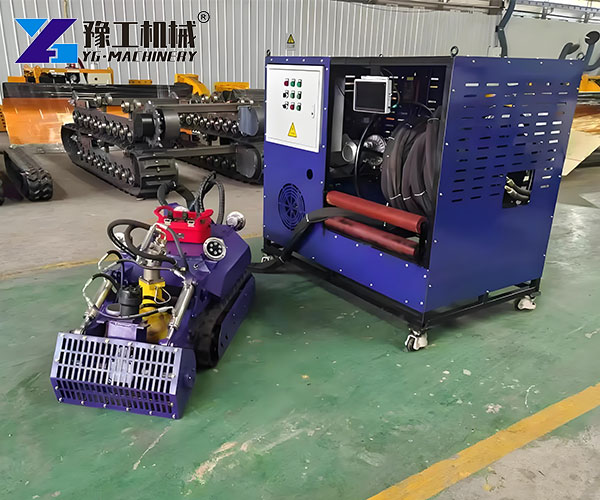
Operational Changes During Project
During daily operation, the cleaning process became more continuous. Compared with traditional pumping and manual assistance, the equipment reduced frequent interruptions caused by blockage checks and manual adjustments. This allowed the team to keep a more stable working rhythm on site.
- Operators worked outside the confined tank area during operation
- Remote control replaced direct manual sludge handling
- The cleaning process ran more continuously with fewer interruptions
- Daily task planning became easier to organize
Customer Feedback from Brazil
From a workload perspective, the equipment reduced the need for large teams on each project. Cleaning cycles also became easier to manage because the process was more stable and less dependent on manual intervention.
Key results observed
- Reduced manpower requirement per cleaning project
- Shorter and more manageable cleaning cycles
- Fewer interruptions caused by sludge blockage
- Improved overall task scheduling across sites
From a safety and operation perspective, the improvement was equally important. Workers were no longer exposed directly to chemical sludge environments, which made site coordination simpler and safer.
“The dredging robot made our work more controlled. We reduced manual entry into tanks and improved both safety and efficiency in daily operations.”
– Carlos
FAQ
Q: Can it work in chemical sludge environments?
A: Yes, it is designed specially to adapt to industrial wastewater and chemical sediment working conditions.
Q: What is the working capacity?
A: Typical working area ranges from 60 to 120 square meters per hour, subject to actual sludge density.
Q: Is remote operation stable?
A: It adopts an industrial proportional control system and maintains a stable remote connection all the time.
Q: Can it handle large solid particles?
A: The equipment can process solid particles with a maximum size of up to 30mm smoothly.
Q: How long does it take to master basic operation?
A: Basic operating skills can be grasped within one day, and skilled operation comes after short on-site practice.
Q: What kind of maintenance does the robot need regularly?
A: Users only need to clean surface sludge, check cable connections, and lubricate moving parts on a routine basis.