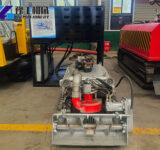
A German industrial cleaning contractor needed to remove thick sludge from a wastewater related facility. The site had restricted access, and manual cleaning required repeated work close to the accumulated material.
The contractor needed a solution that could:
Enter the working area through limited access
Remove sludge section by section
Transfer the material through a pumping system
Reduce direct manual involvement
After discussing the site conditions with YG Machinery, the contractor chose an automated robotic dredge for the project.
How anautomated robotic dredge Changed the Work Plan
When the equipment arrived in Germany, the contractor first prepared the access point and pumping route. The crew then organized the work around the robot.
The Industrial Tank Cleaning Robot followed a clear working sequence:
Prepare the access and discharge route.
Move the robot into the working area.
Control the machine remotely.
Remove sludge section by section.
Transfer the material through the pumping system.
Move to the next work area.
This arrangement gave each worker a clear role. The operator focused on the machine, while the support crew monitored pipes, access, and site conditions.
The contractor no longer needed to treat every section as a separate manual cleaning task. The project became easier to organize as one continuous process.
Why theautomated robotic dredge Fit the Restricted Work Area
Access was a major concern for the German contractor.
The team did not simply need a large machine. It needed equipment that could reach the working area and move through it without creating a complicated setup.
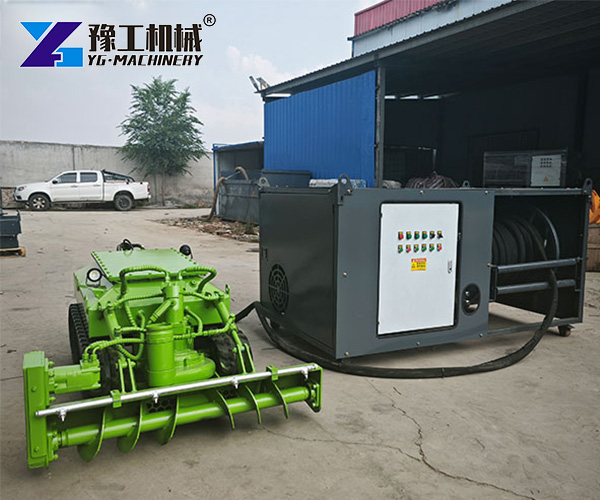
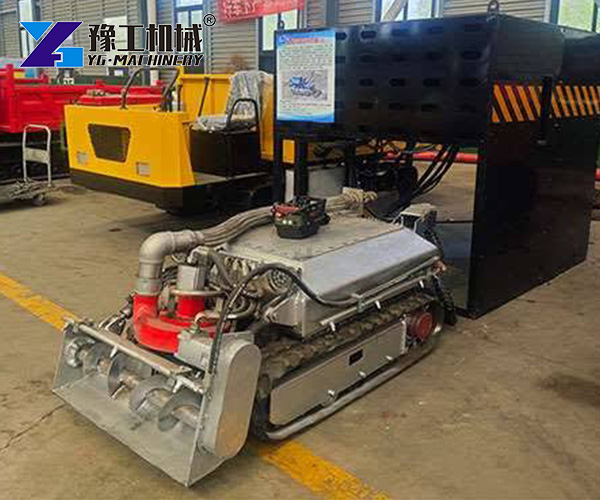
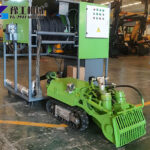
The Crawler Dredging Robot provided the movement needed for the site. Its remote operation also allowed the operator to control the machine from a suitable position.
When the robot reached heavier sludge, the operator could adjust its movement according to the conditions.
This gave the crew more control over the working process.
The contractor also found that remote operation made team coordination easier. One person could concentrate on machine control, while others managed the pumping route and surrounding work area.
The equipment therefore became part of the site’s normal workflow rather than a separate operation.
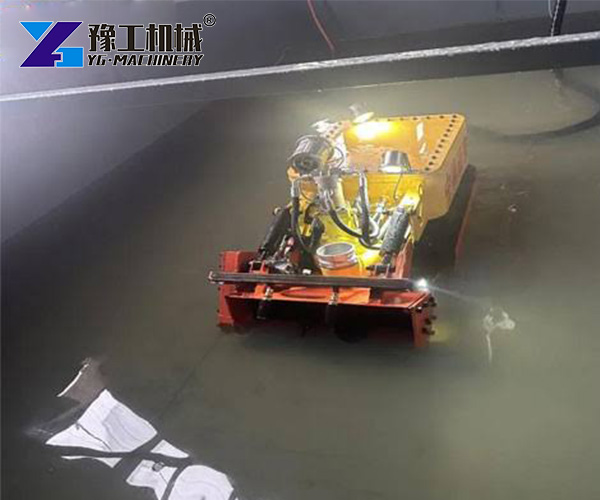
Sludge Removal Robot
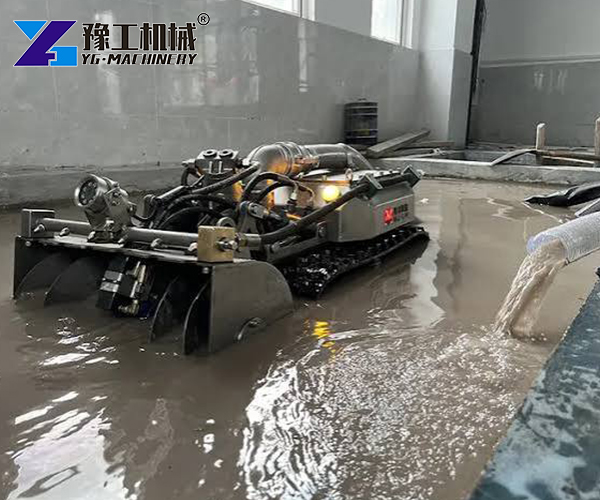
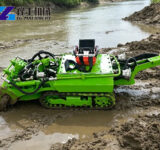
Sludge Cleaning Robot in wastewater treatment plant
The team divided the project into manageable cycles:
Move to the next sludge accumulation area.
Start the dredging operation.
Monitor material movement.
Check the cleaned section.
Continue to the next area.
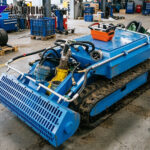
The machine also worked as a Sludge Removal Robot, reducing the amount of direct manual cleaning required from the crew.
This changed the rhythm of the project. Workers spent less time handling sludge directly and more time monitoring the equipment and managing supporting tasks.For a contractor that regularly handles industrial cleaning projects, this type of workflow can make equipment planning easier.
What the Robotic Dredge Changed for the German Crew
As the project continued, the contractor noticed that the biggest change was not a single machine function. It was the way the crew worked together.
Responsibilities became easier to divide:
Operator: Controls the robot and adjusts movement.
Support crew: Monitors pipes and surrounding conditions.
Site workers: Manage access and material handling.
Project manager: Tracks progress and coordinates the next section.
The underwater lighting system also supported visibility during submerged work.
After several work cycles, the team became familiar with the operating rhythm. The contractor could keep the work moving without relying on constant manual cleaning at every stage.
The experience also gave the company a useful reference for future projects. Similar sludge conditions could now be assessed with robotic operation in mind from the beginning.
How the Robotic Dredge Supported the Complete Cleaning Process
The German project showed that the robot works as part of a complete system.
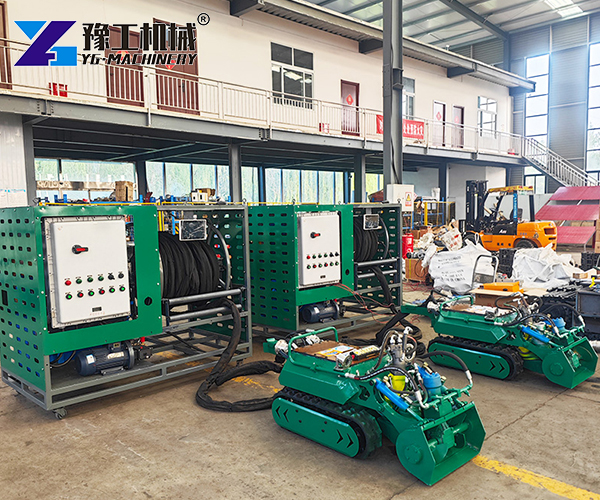
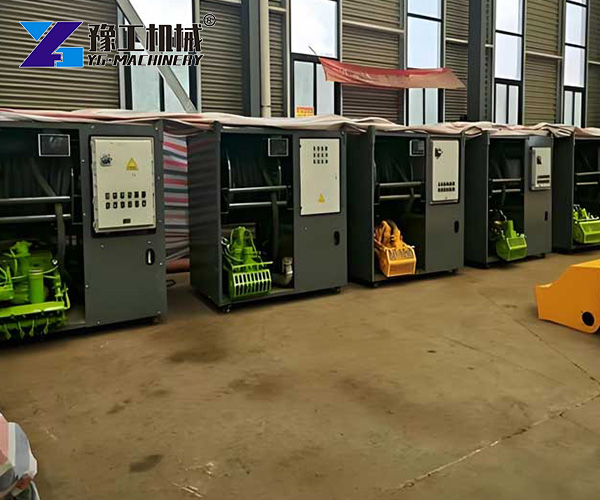
The main equipment included:
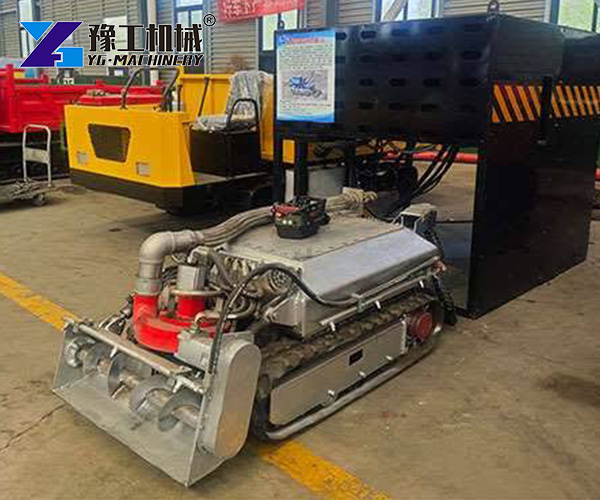
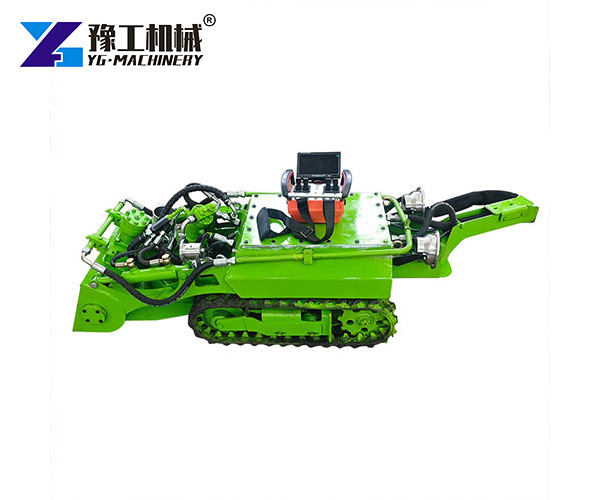
Robotic dredging unit
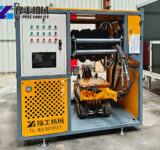
Hydraulic station
Pumping equipment
Discharge pipes
Wireless remote control
Underwater lighting
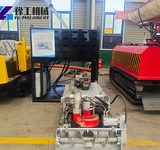
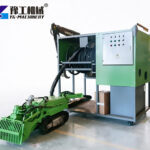
Together, these components formed a Robotic Dredging System.
The robot handled movement and dredging. The pump transferred removed material. The hydraulic station powered the equipment, while the remote control allowed the operator to manage the machine.
This complete setup helped the contractor connect dredging, pumping, and site management into one workflow.
Before a future purchase, the company can also evaluate:
Access conditions
Sludge type
Working area
Dredging width
Pumping distance
Expected workload
These factors provide a more useful basis for requesting a quote than comparing equipment by price alone.
The German project gave the contractor a more organized approach to difficult sludge removal work. The machine reduced direct manual involvement and fitted the restricted working environment.If you plan to buy a Sludge Cleaning Robot, send YG Machinery your site conditions, sludge type, access details, and pumping requirements. The team can recommend a suitable configuration and provide a project based price and quote.【WhatsApp/WeChat/Phone/Skype】+86 13937183602