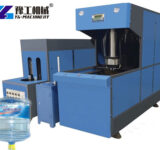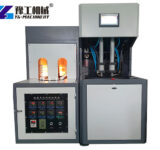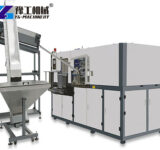
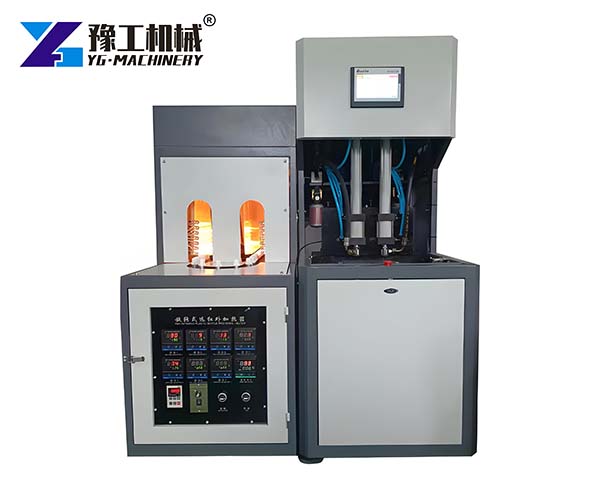
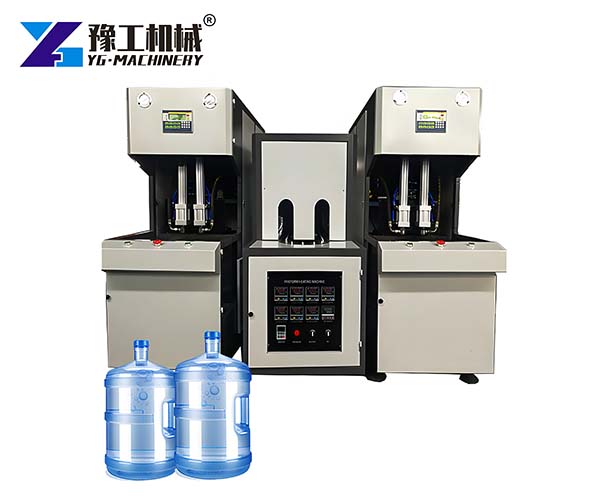
A PET bottle blowing machine turns heated PET preforms into strong, clear plastic bottles. It heats the preform, stretches it, and blows air inside a mold. This makes bottles for water, juice, oil, and cosmetics. YG offers models with 2 to 8 cavities. Output ranges from 2,000 to 9,000 bottles per hour. The unit is also called a water bottle blowing machine when used for drinking water lines. Buyers can request a quote and review the price before ordering.
Technical Parameters of the PET Blow Molding Machine
| Parameter | YG-2L-2 | YG-2L-4 | YG-2L-6 | YG-2L-8 |
| Cavity | 2 | 4 | 6 | 8 |
| Theory Output (bottles/hr) | 2,000–2,700 | 4,000–5,000 | 6,000–7,200 | 8,500–9,000 |
| Max. Volume | 2L | 2L | 2L | 2L |
| Bottle Mouth Diameter | 80mm | 28–38mm | 28–38mm | 28–38mm |
| Bottle Max. Diameter | 100mm | 100mm | 100mm | 100mm |
| Bottle Max. Height | 330mm | 330mm | 330mm | 330mm |
| Light Tube Quantity | 16pcs | 40pcs | 64pcs | 32pcs |
| Light Tube Power | 1.5KW | 1.5KW | 1.5KW | 1.5KW |
| Max. Heating Power | 24KW | 40KW | 80KW | 80KW |
| Installation Power | 26KW | 60KW | 85KW | 85KW |
| Actual Consumption | 19KW | 30KW | 40KW | 40KW |
| Work Pressure (low) | 7–9kg/cm² | 7–9kg/cm² | 7–9kg/cm² | 7–9kg/cm² |
| Low-Pressure Air Use | 1,000L/min | 1,600L/min | 1,600L/min | 1,600L/min |
| Blow Bottle Pressure | 25–35kg/cm² | 25–35kg/cm² | 25–35kg/cm² | 25–35kg/cm² |
| High-Pressure Air Use | 1,500L/min | 3,000L/min | 4,000L/min | 4,800L/min |
| Temperature Range | 10℃ | 10℃ | 10℃ | 10℃ |
| Cooling Water Flow | 30L/min | 88L/min | 88L/min | 88L/min |
| Machine Size (L×W×H) | 2.5×1.6×1.7m | 4.5×2.0×2.3m | 6.5×2.0×1.9m | 6.7×2.0×2.3m |
| Machine Weight | 2.0ton | 4.0ton | 5.5ton | 6.0ton |
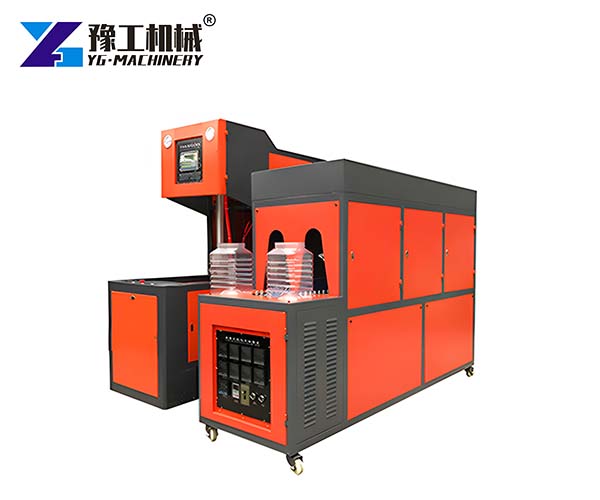
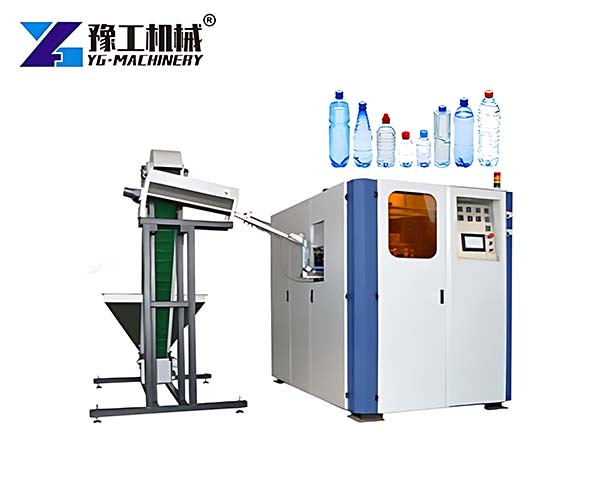
Key Advantages of the PET Blow Molding Machine
- High output, lower power use. A servo system replaces the hydraulic system. Servo motors move the stretch rod and the mold. They use power only when needed. This cuts power use by 25% to 30%. Actual use is 19KW to 40KW, based on model. Lower power means lower cost per bottle. Cycle times are shorter, so more bottles come out per hour.
- Even heating, stable bottles. Preforms move through the oven on a rotating chain. Infrared lamps heat them from all sides. Each lamp zone has its own setting. This keeps bottle wall thickness the same from top to bottom. Even heating makes clear, strong bottles and cuts waste.
- Fast mold change. The mold uses a quick clamp design. Workers can change the mold without special tools. One machine can run water, oil, and juice bottles. Fast changeover means less downtime and faster delivery.
- Smart PLC control. A PLC (programmable logic controller) runs the machine. A touchscreen shows output, faults, and energy use in real time. It also stores recipes for different bottle sizes. Workers load a recipe, and the machine runs with the right settings. This saves setup time and reduces errors.
- Full automation option. Add a preform feeder, a conveyor, and a packing unit. Then it becomes a fully automatic plastic bottle making machine. The line can link blowing, filling, labeling, and packing. This cuts manual work and raises daily output.
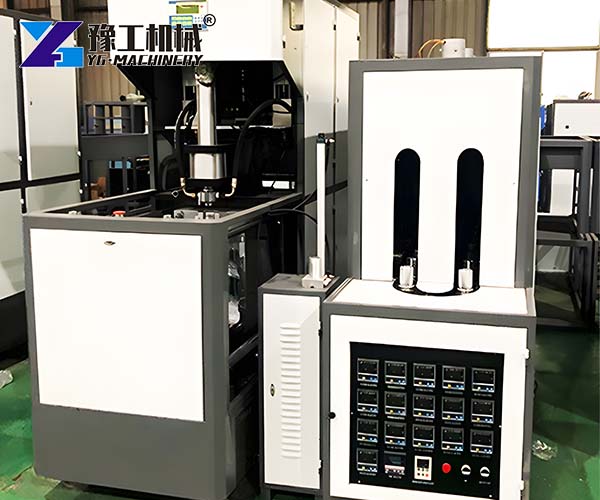
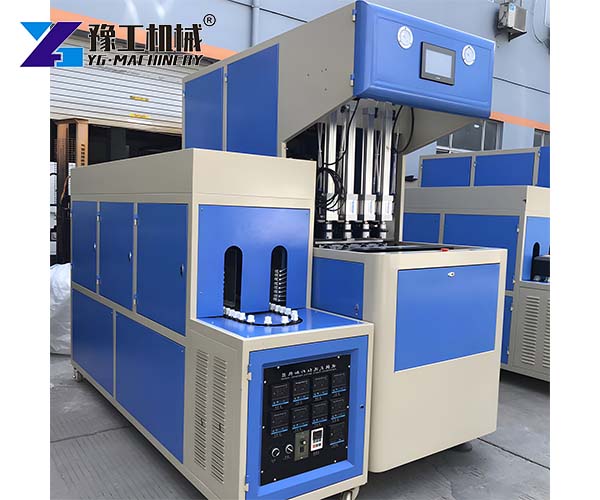
How the PET Bottle Blowing Machine Works
- Step 1: Heating. Preforms move into the heating oven. Infrared lamps soften the plastic. The heat stays below melting point. This lets the preform stretch without damage. If heat is too high, the bottle may turn cloudy or weak. If heat is too low, the bottle may not form fully.
- Step 2: Mold loading. A mechanical arm moves each heated preform into the blow mold. The mold closes around the preform. The mold shape decides the final bottle design, height, and width. The mold must close tightly. If it does not, air may leak and the bottle shape may fail.
- Step 3: Stretch and blow. A stretch rod pushes down into the preform. High-pressure air then blows the preform against the mold wall. The plastic takes the exact shape of the cavity. Air pressure must match the bottle size and wall thickness. For thin water bottles, pressure is set lower. For thick oil bottles, pressure is set higher.
- Step 4: Cooling and release. Cooling water flows through the mold to lower its temperature. The bottle becomes solid and keeps its shape. The mold opens, and the bottle drops out. The machine then repeats the cycle. Cooling time changes with bottle weight and wall thickness. Operators set both pressure and cooling time before each production run. This PET bottle making machine can run many PET preform sizes and bottle designs.
Real User Case: Bottle Blowing Machine in Mexico
A water plant in Mexico needed more bottles for local stores. The old line was slow and used too much labor. YG supplied a complete line: blow molding unit, water treatment, filler, and labeler. After training, the team ran 4,000 bottles per hour with one operator per shift. Bottle rejection fell below 1%. The plant later bought a second plastic bottle manufacturing machine for a juice line. This case shows how the line can support daily production.
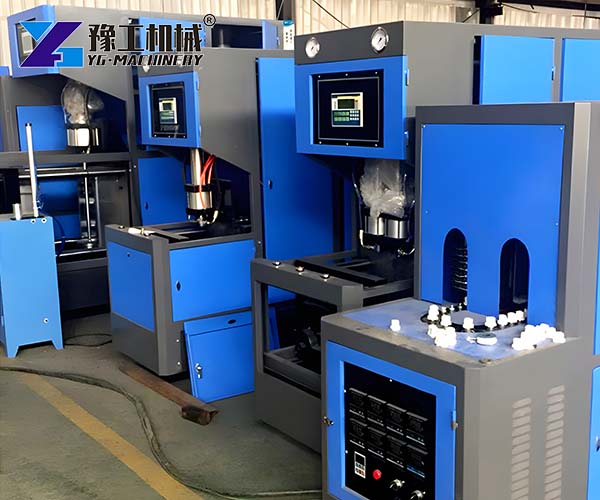
PET Bottle Blowing Machine Support from YG Machinery
YG Machinery has made packaging machines since 2005. The company serves buyers in more than 80 countries. Service includes a installation guidance, spare parts, and remote support. For a quote, price list, or machine video, contact the YG team. YG also supplies the Hamburger Box Making Machine, Egg Tray Production Machine, and Paper Cup Making Machine for other packaging needs.【WhatsApp/WeChat/Phone/Skype】+86 13937183602