Robotic Demolition Machine vs. Traditional Methods
construction demolition robot
Robotic Demolition Machine Price
Demolition projects often involve heavy materials, restricted spaces, and challenging working conditions. Choosing the right equipment directly affects work efficiency, labor requirements, and site safety. A Robotic Demolition Machine offers an alternative to traditional demolition methods through remote-controlled operation and hydraulic attachments. But which option is better for your project? Let’s compare their features, applications, and costs.
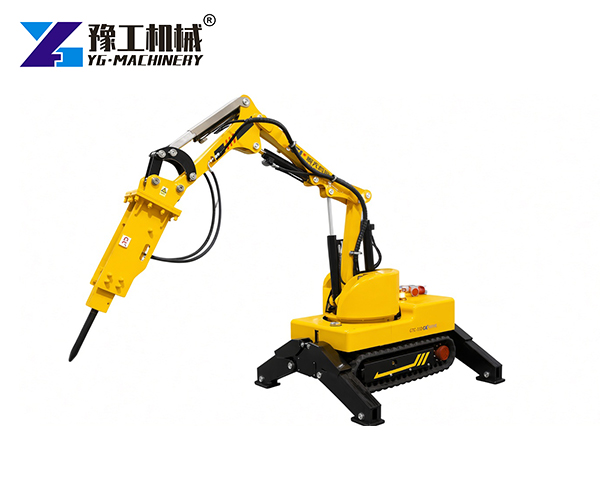
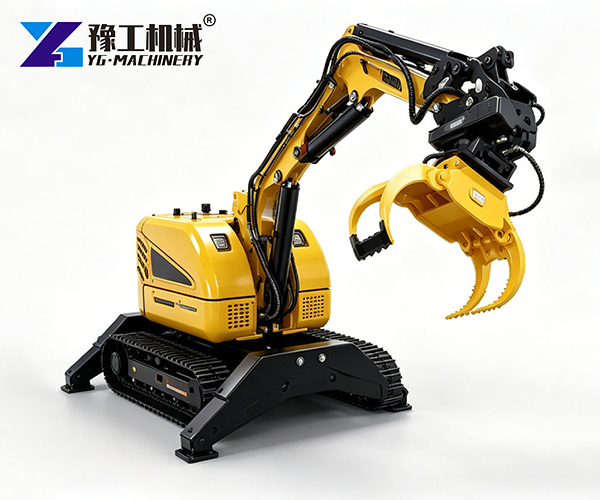
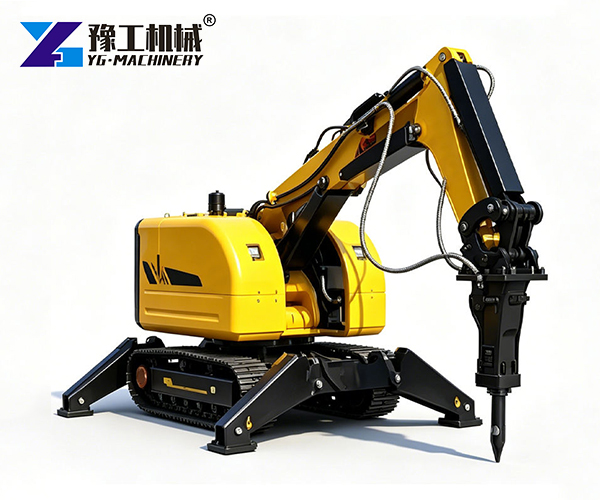
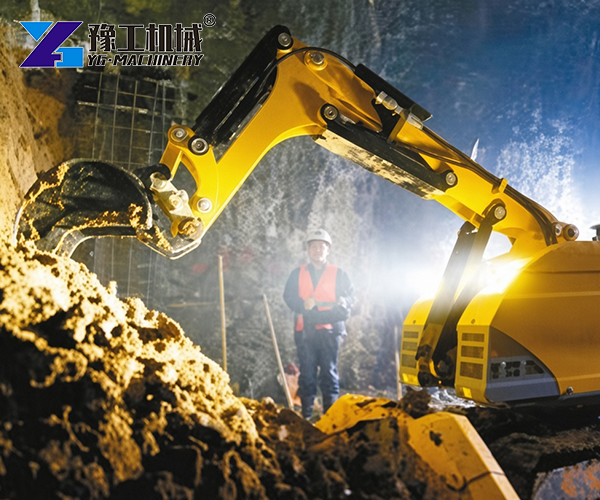
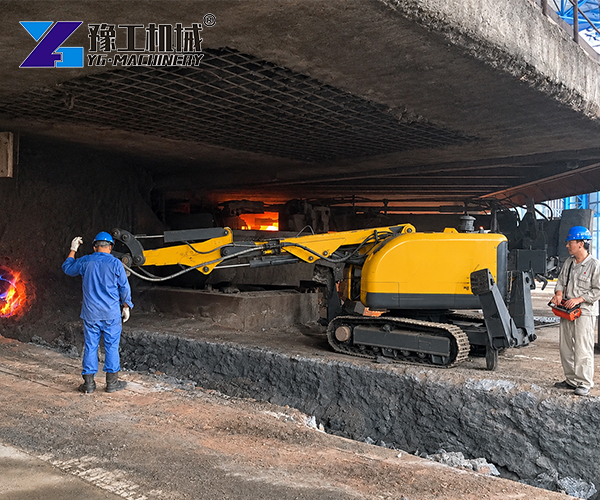
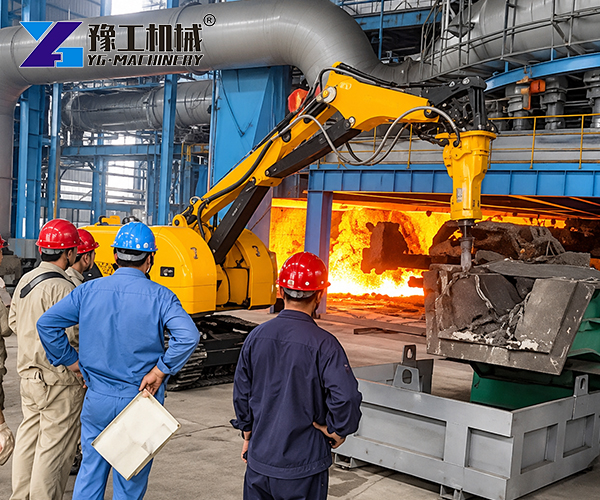
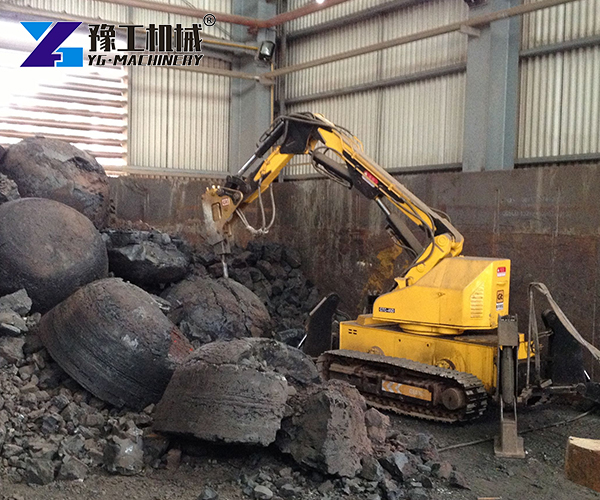
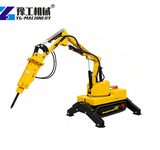
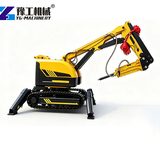
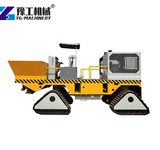
A remote-controlled demolition robot is a compact machine designed for breaking concrete and removing structures in difficult working environments. It typically consists of a tracked chassis, hydraulic working arm, power system, and wireless control unit.
Operators control the machine remotely instead of sitting inside it or working directly beside the demolition point. Its hydraulic attachments, such as breakers and crushers, handle different demolition tasks.
Traditional demolition methods mainly include:
Manual demolition: Workers use handheld breakers, jackhammers, and other tools to remove concrete.
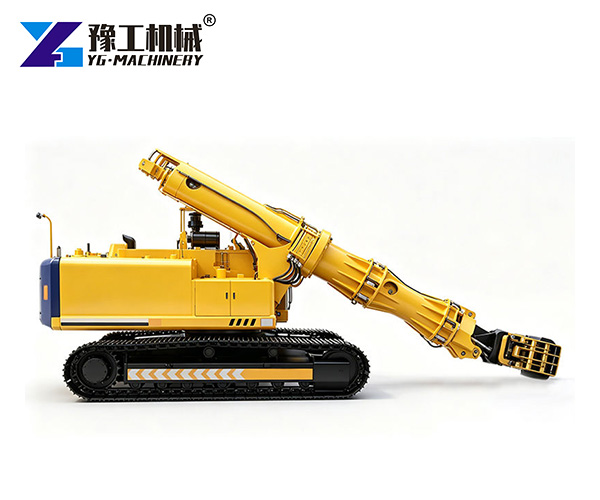
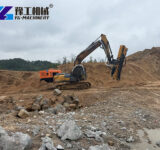
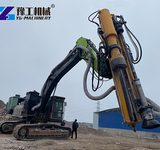
Mechanical demolition: Excavators equipped with hydraulic breakers or other attachments demolish larger structures.
The main difference is the operating method. Traditional approaches often require workers or machine operators to stay closer to the work area, while remote-controlled equipment allows operators to maintain a greater distance.
Robotic Demolition Machine vs. Traditional Methods: Key Differences
Both methods can handle concrete breaking and structural removal. However, their suitability varies with site conditions.
Comparison
Robotic Demolition Machine
Traditional Methods
Operation
Remote-controlled
Manual or cab-operated
Labor
Reduces direct manual work
Often requires more workers
Working Space
Suitable for restricted areas
Depends on equipment size
Safety
Keeps operators away from the immediate work area
Workers may face closer exposure to hazards
Precision
Flexible arm positioning
Depends on tools and operator skill
Mobility
Compact tracked design
Varies by machinery
Initial Cost
Generally higher
Often lower for basic tools
Neither option is suitable for every project. Manual tools work well for small repair tasks, while large excavators are often more practical for extensive outdoor demolition. Robotic equipment fills the gap where access, controlled breaking, and operator positioning are important.
A construction demolition robot offers several practical benefits for contractors working in complex environments.
Remote Operation: Wireless control allows operators to manage demolition tasks from a safer position. It can reduce direct exposure to falling debris, dust, and other site hazards.
Compact Structure: Its tracked chassis helps the machine access certain narrow entrances, indoor areas, and underground workspaces where larger equipment may struggle.
Hydraulic Breaking Power: A hydraulic system drives attachments such as breakers and crushers. This enables the machine to handle concrete walls, floors, and other hard materials.
Flexible Working Arm: A multi-joint arm helps position the attachment at different angles. This is useful when breaking walls, ceilings, and floors without repeatedly repositioning the entire machine.
Reduced Manual Work: Mechanized breaking can reduce repetitive physical labor and help contractors manage certain demolition tasks with fewer workers.
Where Does a Remote Controlled Demolition Robot Work Best?
The working environment is an important factor when selecting demolition equipment. Robotic systems are particularly useful in the following situations.
Indoor Renovation: Removing concrete walls, floors, and structural sections in buildings with limited access.
Tunnel Construction: Performing local concrete breaking and maintenance in underground areas.
Basement Demolition: Handling breaking tasks in spaces with narrow entrances and restricted movement.
Industrial Renovation: Removing damaged concrete around existing facilities and equipment.
Concrete Structure Removal: A Concrete Demolition Robot equipped with a suitable hydraulic attachment can break concrete slabs, walls, and other structures.
For different concrete breaking requirements, contractors can also explore YG Machinery’s Hydraulic Breaker Machine.
Not completely. A Demolition Robot is better suited to confined spaces and targeted breaking, while excavators are generally more suitable for large-scale outdoor demolition.
Q2: Is robotic demolition suitable for indoor projects?
Yes. Compact models can work indoors when access dimensions, floor load capacity, ventilation, and working clearance meet the equipment requirements.
Q3: Is a robotic demolition machine worth the investment?
It can be worthwhile for contractors who regularly handle indoor demolition, underground construction, or projects requiring remote operation.
YG Machinery provides demolition equipment for different construction requirements. If you are looking for a demolition robot for sale, you can explore our Demolition Robot and Remote Controlled Demolition Robot to compare available models and configurations.
For additional concrete processing needs, our Excavator Pulverizer provides another solution for crushing concrete structures.As a supplier of Hydraulic Demolition Robot solutions, YG Machinery can help you evaluate suitable equipment according to your working conditions, attachment requirements, and project needs. Contact us to discuss your requirements and request a quotation.