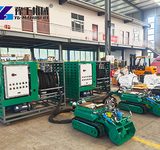
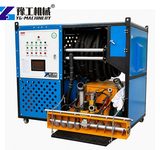
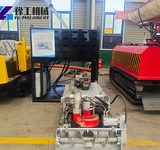
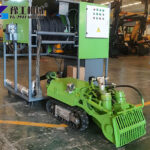
Robotic Dredging System Cuts Mexico Pond Sludge by 70%
Dredge Remote Robot
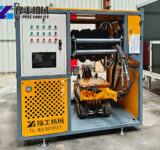
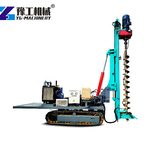
YG Sludge Cleaning Robot For Sale
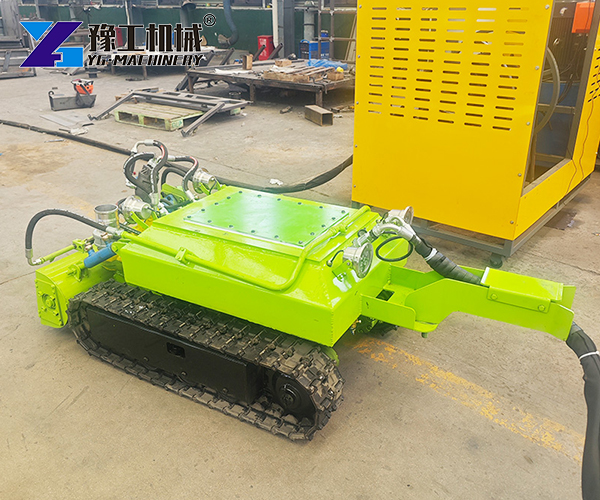
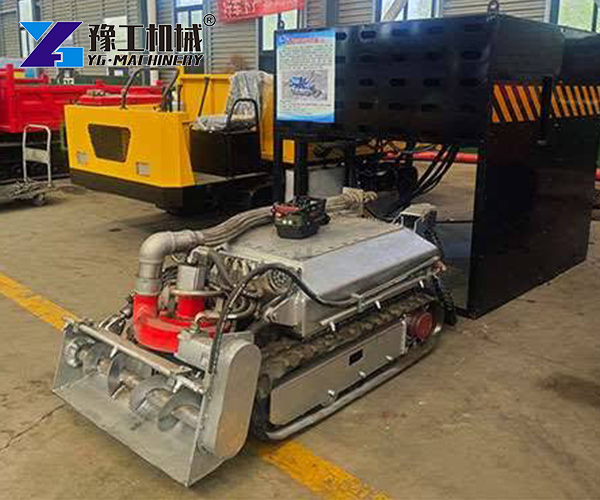
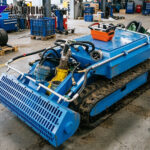
A municipal wastewater contractor in Jalisco was losing discharge compliance every rainy season. Its primary clarifier and two polishing ponds had sludge layers reaching 1.8 meters. Manual crews could not enter. An excavator on the bank reached only the edges. The facility needed a machine that could work underwater, continuously, without draining the ponds. That search led to a Robotic Dredging System from YG Machinery — a YG700 crawler platform configured for the site’s 700 mm access and 40 mm solids.
The Sludge Problem: Why a Dredging Robot For Sale Was Needed
The contractor’s facility serves a municipality of roughly 180,000 residents in the Ciénega region. Sludge had been accumulating for more than four years. The specific failures were consistent across all three tanks:
Sludge depth beyond equipment limits. Measured layers of 1.5–1.8 m in the primary clarifier. The polishing ponds held softer, organic-rich sediment that ordinary suction hoses could not lift without clogging.
No safe access for workers. Hydrogen sulfide readings inside the clarifier exceeded confined-space entry thresholds. The contractor had stopped sending crews inside after an incident in a neighboring facility.
Repeated pipeline blockages. Discharge lines fouled every 8–12 weeks. Each blockage forced a shutdown. Treatment was interrupted. Compliance warnings followed.
Drain-and-dig was not an option. Emptying the ponds would require bypass pumping. The municipality would not approve the cost. The facility could not take a multi-week outage.
The contractor needed a Dredging Robot For Sale that could operate in standing water, break compacted sludge, and keep solids moving through a discharge line without constant supervision.
Why the YG700 Intelligent Dredging Robot Fit This Site
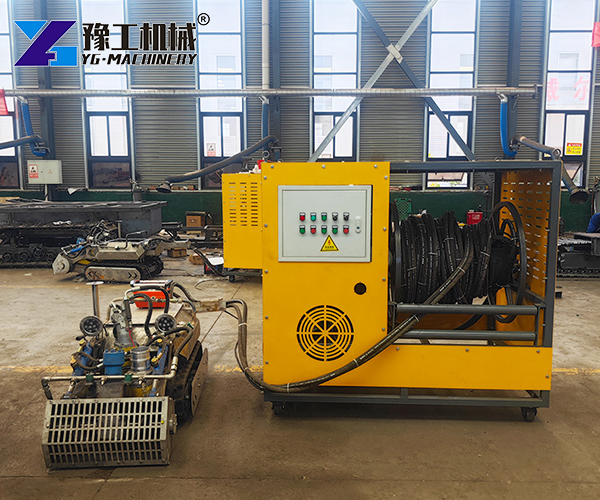
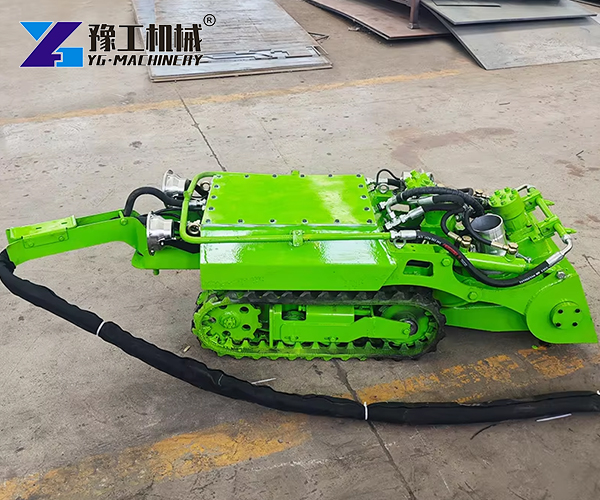
YG Machinery reviewed the tank dimensions, access openings and sludge profile. The YG700 was selected over the smaller YG600 because its 4-inch pump and 160 m³/h flow could move the heavier, partially mineralized sludge at the bottom of the clarifier. It also fit through the facility’s 750 mm access ports without modification.
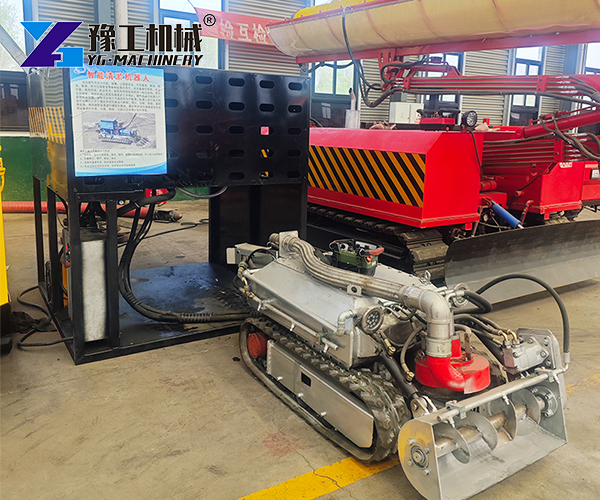
The Sludge Removal Robot was deployed with four core features matched to the site’s constraints:
Wireless remote operation from the bank. No operator entry into the tank. The control console stayed outside the confined space. The Crawler Dredging Robot worked under 1.8 m of sludge.
40 mm solids handling. The YG700 pump passes grit, rag fragments and small debris. A standard 15 mm unit would stall. This was a direct response to the clogging history.
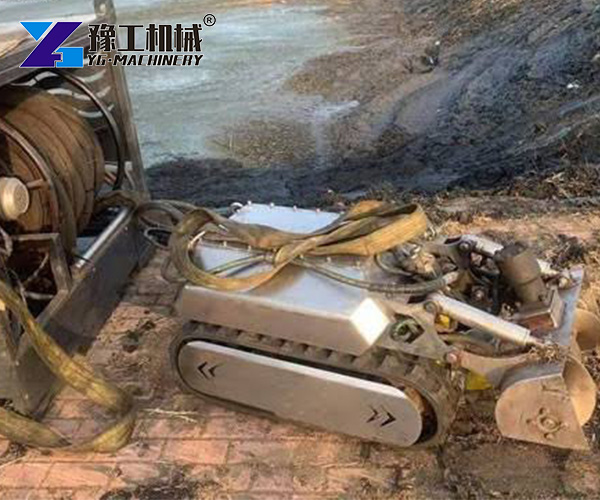
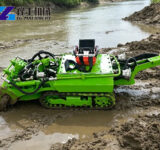
Crawler traction on soft sediment. The track system maintained movement on the pond bottom without sinking. This allowed the Underwater Dredging Robot to cover the full tank floor, not only the perimeter.
Continuous duty at 22 kW. The power pack was sized for the facility’s electrical supply. It ran the Intelligent Dredging Robot through two 6-hour shifts per day without overheating or pressure loss.
The contractor ran the YG700 first in the primary clarifier for 11 working days. It then moved to the two polishing ponds for 9 more days. Total volume removed: approximately 1,340 m³.
Measurable Results From the Robotic Dredging System
The numbers below come from the contractor’s operational logs, not from manufacturer projections.
Quantified outcomes:
70% reduction in cleaning time. The same volume removed manually over a 60–70 day campaign was cleared in 20 working days. The facility regained full clarifier volume before the rainy season began.
Zero confined-space entries. All sludge breaking and extraction was performed remotely. The contractor eliminated its highest-risk maintenance activity.
Pipeline blockages dropped from 5–6 per quarter to zero during the 60 days after deployment. The 40 mm particle clearance kept the discharge line open.
Discharge compliance restored. Effluent parameters returned to permit limits within three weeks of clarifier cleaning. The facility’s repeat compliance warnings ended.
Labor redeployed. Three workers previously assigned to sludge handling moved to pump maintenance and monitoring. The contractor had deferred those tasks for months.
Product advantages visible in daily operation:
Deployable without draining. The Pond Dredging Robot worked in water. The facility kept treating wastewater throughout the campaign.
Single-operator control. One technician managed the robot from the bank with the wireless remote. No dive team. No harness entry. No gas monitoring crew.
Compact footprint for retrofits. The YG700’s 700 mm dredging width and 1600 mm body fit existing access infrastructure. No civil works were needed to launch the machine.
Simple maintenance schedule. The contractor’s team handled daily grease points and pump flush using the manual provided. No specialized service contract was required for the 20-day run.
Q: How much does a dredging robot like the YG700 cost?
A: Pricing depends on configuration, discharge pipe length and shipping terms to Mexico. The YG700 sits in the mid-range of YG’s crawler lineup. YG Machinery quotes directly from the factory. Request a configuration-specific quote with tank dimensions and sludge depth for an accurate figure.
Q: What is the maximum discharge distance?
A: The YG700 pump head is rated at 0–25 m. Discharge pipe is available in 30–50 m optional lengths. For longer runs, YG can review the site layout and recommend a suitable pipe configuration.
Q: How many operators are needed to run the YG700?
A: One technician can operate the machine from the bank using the wireless remote. The same operator can monitor pump flow and discharge line condition during the shift. No dedicated dive team or confined-space crew is required.
Q: What maintenance is needed between projects?
A: After each campaign, flush the pump and discharge line with clean water. Inspect the cutter or auger for wear. Grease the track tension points. Charge the remote battery. YG provides a maintenance checklist and spare-parts list with each unit.
Q: Is training included?
A: YG provides remote commissioning support and a bilingual operation manual. On-site training can be arranged for projects ordering multiple units or long-term service contracts.
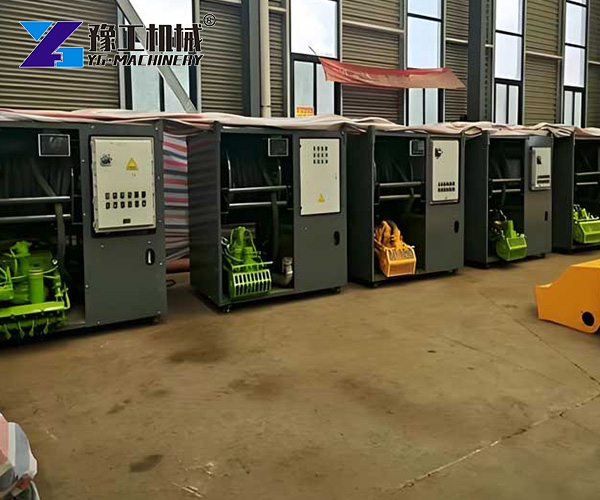
YG Machinery manufactures remote-controlled sludge removal robot for wastewater, industrial and agricultural water systems. The company supplies equipment factory-direct from China and works with international buyers — including Mexican contractors — to configure units based on tank dimensions, access openings and sludge depth.