What Makes a Dredging Robot Suitable for Confined Spaces?
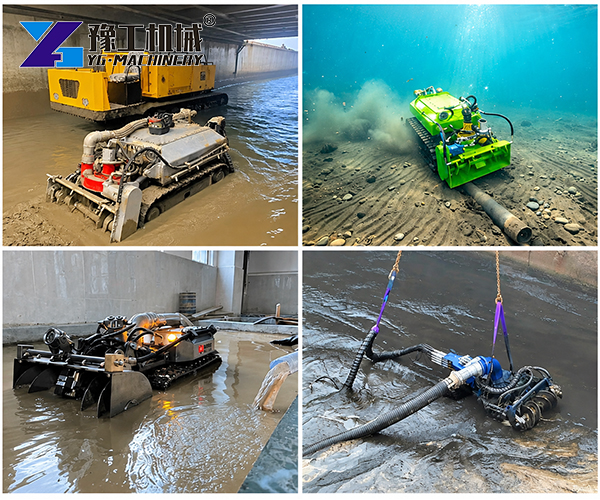
A Sediment Removal Robot is designed to remove accumulated sludge, mud, and sediment from underwater areas that are difficult for workers to reach. It is suitable for wastewater tanks, drainage culverts, industrial basins, ponds, and other sediment-filled environments. For projects requiring underwater operation, an Underwater Dredging Robot offers a practical solution for cleaning hard-to-reach areas.
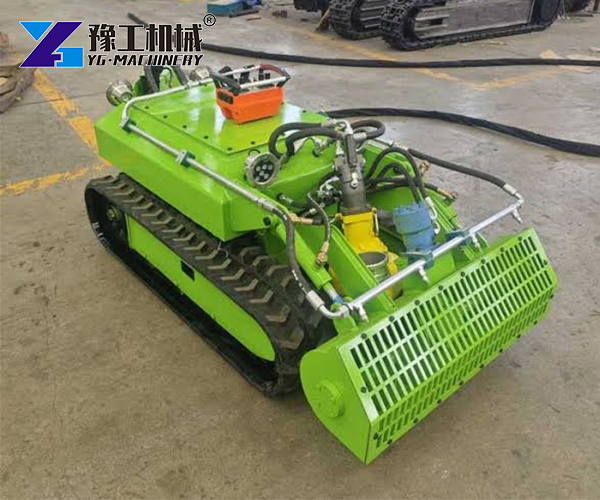
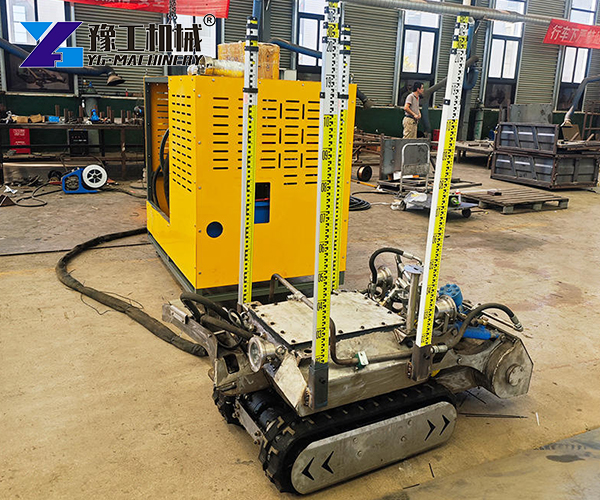
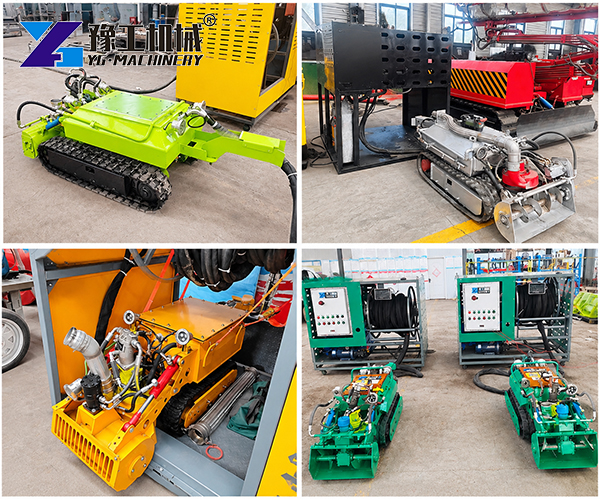
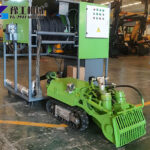
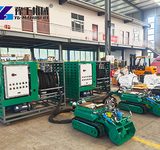
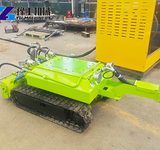
Unlike traditional dredging equipment, this compact machine uses a tracked chassis to move across muddy surfaces. Its remote control system allows operators to manage movement without entering the water. Underwater LED lights also help provide visibility during cleaning in dark or enclosed areas.
The machine combines underwater mobility with a pumping system, allowing it to collect sediment and transfer the material through a connected discharge pipe. As a compact Robotic Dredging Machine, it is suitable for regular maintenance and large-scale sludge removal projects.
Different working environments require different equipment sizes and pumping capacities. The following table shows the available configurations for various cleaning requirements.
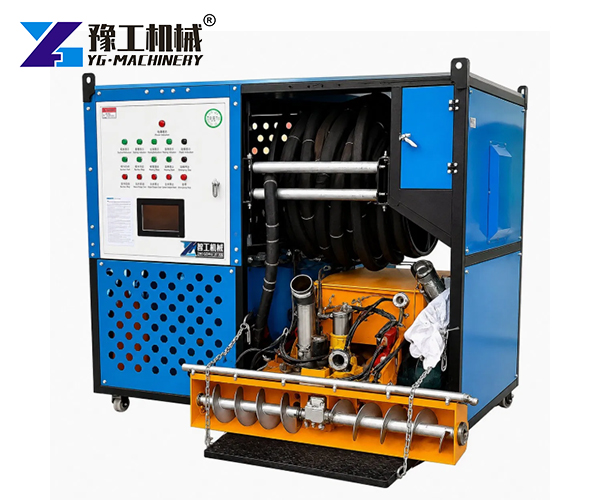
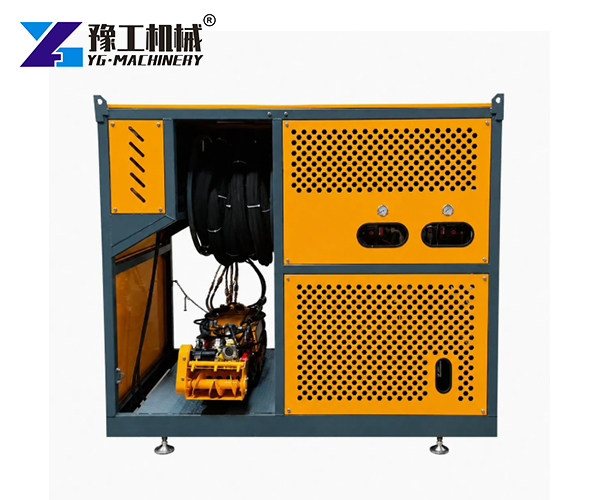
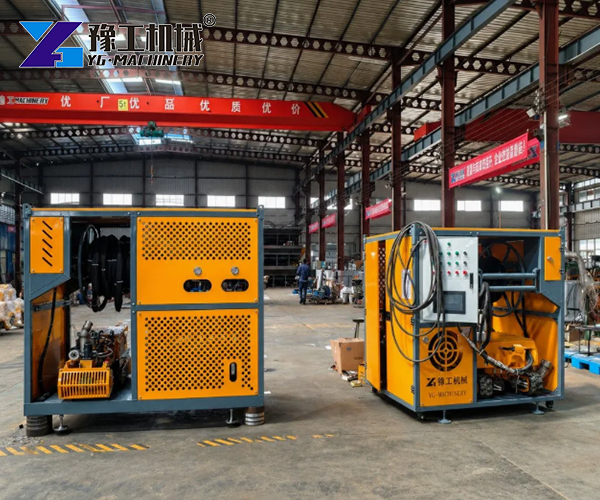
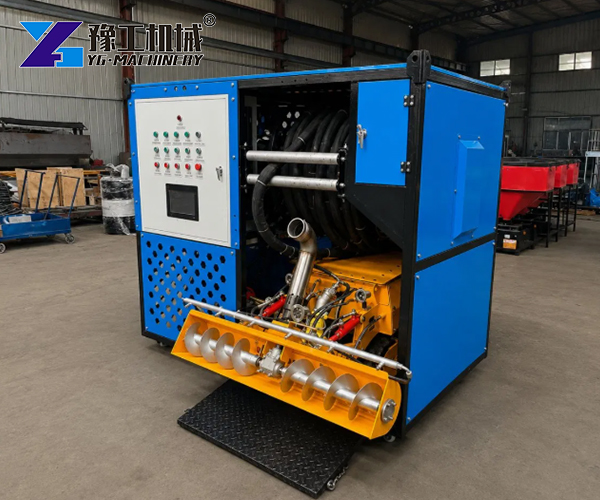
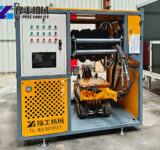
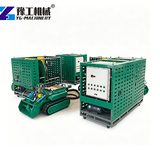
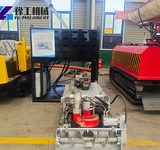
The hydraulic and pumping systems work together to complete underwater cleaning. Each part has a different role in the process.
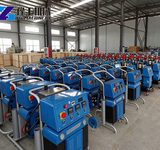
Hydraulic power unit: Supplies power for the machine’s working movements and hydraulic functions.
Tracked chassis: Moves the equipment across the bottom of the tank or water area.
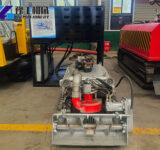
Sludge pump: Collects the sediment-water mixture and transfers it into the discharge pipeline.
Discharge pipe: Carries the collected material to a designated treatment or storage area.
Wireless controller: Allows the operator to manage the machine from outside the working area.
During operation, the operator moves the machine toward the sediment-covered area and controls the collection process. The pump then transfers the mixture through the connected pipeline. This arrangement combines movement and material transportation in one cleaning system.
This equipment offers several practical benefits for industrial and environmental cleaning projects.
1. Less Manual Work
As a Remote Controlled Dredging Robot, the machine allows operators to work from outside tanks or muddy water. This reduces direct contact with sludge and helps lower the risks of confined-space operations.
2. Continuous Material Transfer
The integrated pump sends collected sediment directly through a pipeline. Workers do not need to collect and transport every batch manually.
3. Stable Movement on Soft Ground
The crawler design helps the machine move over muddy and uneven surfaces. It can reach sediment-covered areas that are difficult to access with ordinary cleaning equipment.
4. Better Visibility Underwater
Two underwater LED lights help operators observe the working area in dark environments. This supports equipment monitoring during cleaning operations.
5. Flexible Working Configurations
Different pump arrangements and machine widths provide more choices for projects with different sediment conditions and site layouts.
Choosing the Right Sludge Cleaning Robot for Your Project
Selecting suitable equipment requires more than comparing prices. Buyers should consider the actual working environment before making a decision.
Access conditions: Check the manhole or entrance size to make sure the machine can enter the working area.
Cleaning width: Consider the tank or channel width and the amount of sediment that needs removal.
Sediment composition: Soft sludge, compacted mud, and coarse particles require different pumping capabilities.
Discharge distance: Measure the distance between the cleaning area and the sediment collection point. This helps determine the required pump head and pipe arrangement.
Power supply: Check whether the site has a suitable electric supply or requires a diesel power option.
Working depth: Confirm the water depth and required operating conditions before ordering.
Yes. It is designed for underwater operation. The suitable working depth should be confirmed according to the project conditions and equipment configuration.
Q2: What types of sediment can it handle?
It can handle sludge, mud, silt, and other settled materials. The actual particle size capacity depends on the selected pump and machine configuration.
Q3: How does the operator control the machine?
The operator uses a wireless remote control to manage machine movement and cleaning operations from a suitable position outside the water.
Q4: Does the equipment require a separate discharge system?
Yes. A suitable discharge pipeline and receiving or treatment area should be prepared before operation. The pipe arrangement depends on the site layout and pumping distance.
Q5: Can the equipment be customized?
Yes. The configuration can be discussed according to access size, sediment type, cleaning width, power requirements, and discharge conditions.
Get a Sludge Cleaning Robot Solution from YG Machinery
YG Machinery supplies dredging equipment for industrial, municipal, and environmental cleaning projects. We offer different configurations to meet various site conditions and sediment removal requirements.
If you are looking for reliable underwater cleaning equipment, contact our team with your project details. We can help you select suitable equipment and provide technical information and a competitive quotation.