Outdoor construction projects often involve uneven ground, changing weather, and different working heights. Choosing the right Scissor Lift Work Platform requires more than checking its maximum lifting height. Contractors also need to consider ground conditions, load requirements, mobility, and safety features. The right equipment can provide stable access to elevated work areas and support more efficient construction operations.
Evaluate the Construction Site Before Choosing a Scissor Lift Work Platform
The working environment directly affects equipment selection. Before purchasing a scissor lift, assess the conditions at the construction site.
Ground Conditions: Check whether the ground is paved, compacted, gravel-covered, or muddy. Different surfaces require different chassis designs and tire configurations.
Terrain Accessibility: Consider slopes, ground irregularities, and obstacles along the equipment’s travel path.
Weather Exposure: Outdoor equipment may face rain, wind, dust, and temperature changes. Check the manufacturer’s operating limits before use.
Working Space: Measure access routes, turning areas, and available space around the work zone.
A clear understanding of these conditions helps narrow down suitable scissor lift work platform models and avoid choosing a machine that cannot handle the actual site environment.
Select the Right Chassis for a Scissor Aerial Work Platform
The chassis determines how a lift moves across the construction site. Different designs suit different ground conditions.
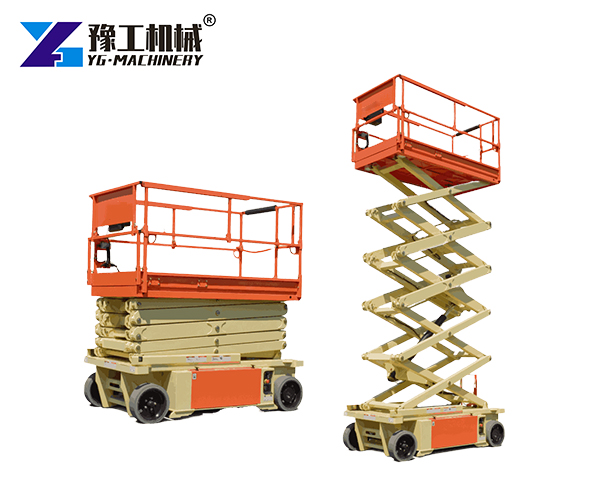
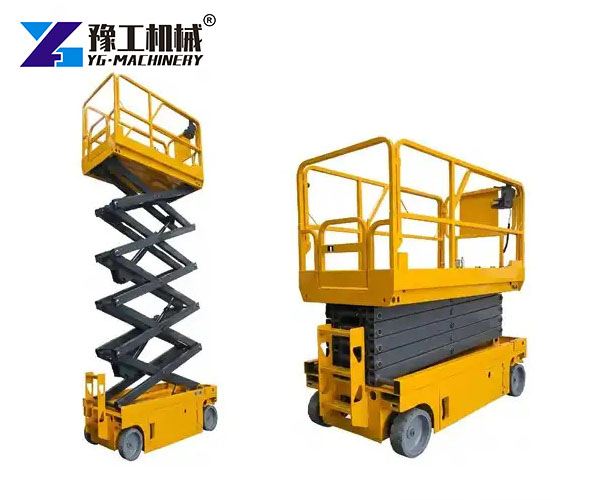
Wheeled Scissor Lifts
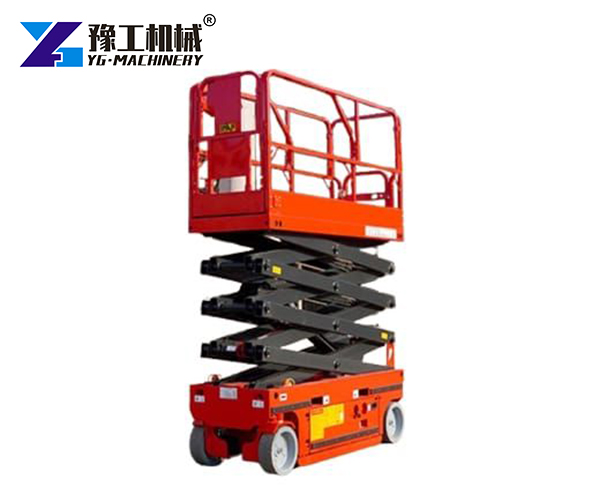
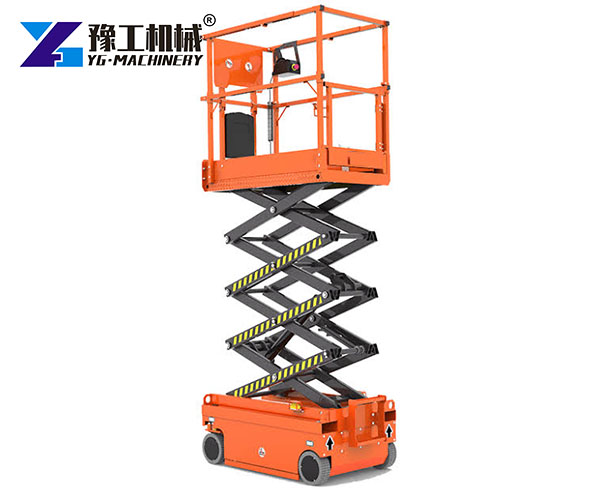
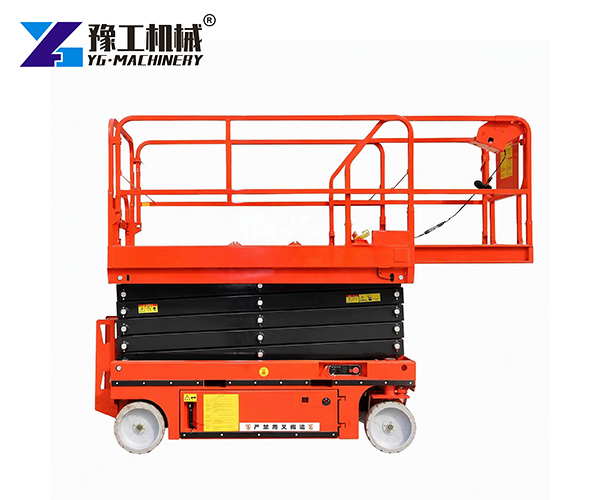
Wheeled models are suitable for firm, relatively level surfaces such as paved construction areas and concrete floors. They offer convenient movement between work locations.
Rough Terrain Scissor Lifts
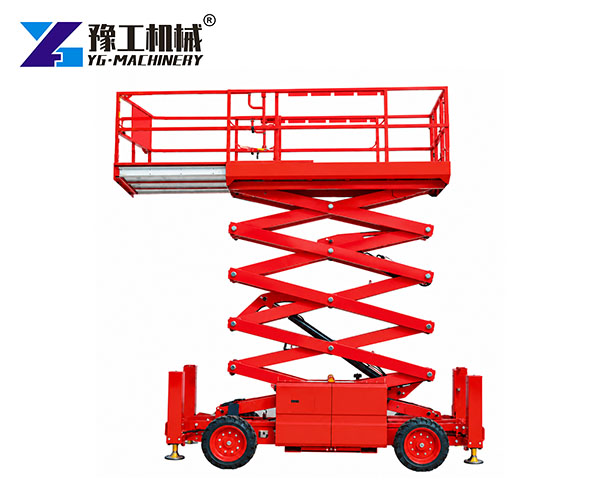
These models are designed for more demanding outdoor conditions. They often feature larger tires, higher ground clearance, and enhanced traction. They are suitable for construction sites with uneven or compacted ground, depending on the model.
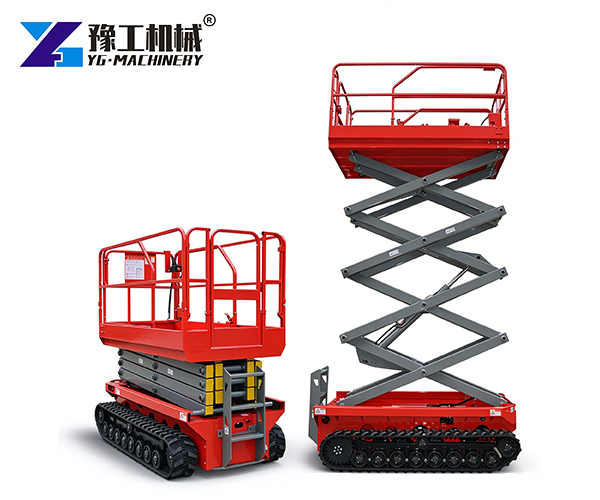
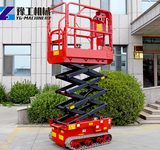
Tracked Scissor Lifts
Tracked designs distribute machine weight across a larger contact area. They can be useful on certain soft or uneven surfaces. However, ground pressure, slope limits, and terrain conditions should always be checked.
When comparing different options, consider the actual site conditions rather than choosing a chassis based on appearance alone.
Determine the Required Working Height and Load Capacity
Working height and rated platform capacity are two essential specifications.
Working Height
First, identify the highest point that workers need to reach. Check the difference between platform height and working height when comparing specifications. Manufacturers may calculate these measurements differently.
Choose a lifting range that meets the project requirements without exceeding the machine’s operating limits.
Load Capacity
Calculate the combined weight of workers, tools, and materials that will be carried on the platform. The rated capacity must cover the total load.
Also consider the platform dimensions. A larger platform may provide more room for equipment and materials, but its size should match the available working space.
The power system affects operating time, mobility, and maintenance requirements.
Electric Scissor Lift: Suitable for projects with access to charging facilities. It produces no exhaust emissions at the point of use and is often preferred in noise-sensitive environments.
Hydraulic Scissor Lift: Hydraulic systems provide the lifting force needed to raise and lower the platform. Their performance depends on the hydraulic components, power source, and overall machine design.
When comparing a hydraulic system with an electric model, remember that these terms describe different aspects of the equipment. Electric power can also drive a hydraulic lifting system.
Consider daily operating hours, charging or refueling arrangements, and maintenance access before making a decision.
Check Safety Features for a Scissor Aerial Work Platform
Outdoor construction involves changing ground conditions and potential operating hazards. Safety features should be part of the purchasing evaluation.
Important configurations include:
Emergency Stop: Allows operators to stop machine operation quickly.
Emergency Lowering System: Provides a way to lower the platform if the normal control system fails.
Tilt Sensor: Alerts operators when the machine exceeds its permitted inclination.
Guardrails: Help protect workers on the elevated platform.
Overload Protection: Helps prevent operation beyond the rated platform capacity.
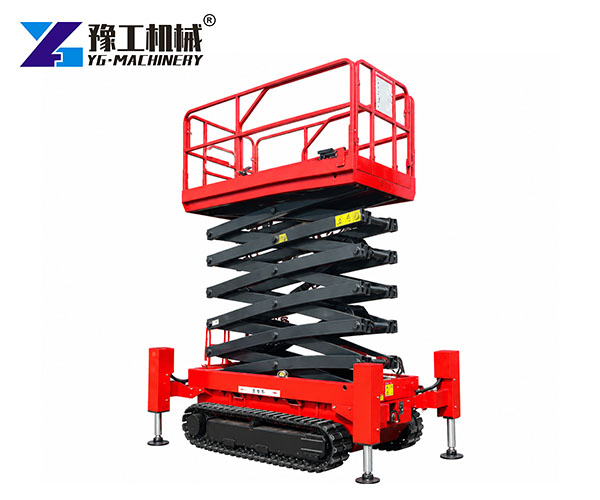
Outriggers: Provide additional support on models designed with this configuration.
Not every model includes the same safety equipment. Check the specifications, operating manual, and applicable local safety standards before purchasing.
Compare Mobility, Stability, and Maintenance Requirements
A suitable Scissor Lift Platform should match both the working environment and the project’s operating schedule.
Mobility is important when workers need to access multiple locations. Check the machine’s turning radius, travel speed, ground clearance, and ability to move through site access routes.
Stability depends on the chassis design, ground conditions, load distribution, and proper operation. Always use the equipment within its specified slope and operating limits.
Maintenance is another consideration. Inspect hydraulic hoses, structural connections, tires or tracks, batteries, and control components according to the manufacturer’s maintenance schedule.
A Mobile Scissor Lift Platform can be useful for projects that require frequent movement between work areas. However, its suitability depends on the surface conditions and travel requirements.
Yes, but only when the model is approved for the intended outdoor conditions. Check its ground requirements, wind limits, and operating specifications.
Q2: What is the difference between a rough terrain and a regular scissor lift?
Rough terrain models generally feature specialized tires, greater ground clearance, and improved traction for uneven outdoor surfaces. Regular models are typically intended for smoother, firmer ground.
Q3: How do I choose the right lifting height?
Determine the highest working position and compare it with the manufacturer’s stated working height. Allow for the actual positioning and access requirements of the job.
Q4: What factors affect the load capacity requirement?
The total weight of workers, tools, and materials must remain within the rated platform capacity. Also check any restrictions on load distribution and platform extension.
Choosing the right Scissor Lift Work Platform for outdoor construction requires careful consideration of terrain, chassis design, working height, load capacity, power supply, and safety features. Each project has different operating conditions, so equipment specifications should match the actual job requirements.
YG Machinery provides lifting equipment for different construction and industrial applications. As a professional equipment supplier, YG Machinery can help buyers explore suitable models based on their working conditions, lifting requirements, and project needs. Contact YG Machinery to discuss your equipment requirements and request product details.